How to Read a Skincare Ingredient Label Without Guessing
Learn what ingredient order tells you, why long names are not a warning sign, and how to compare skincare labels without guessing percentages or results.
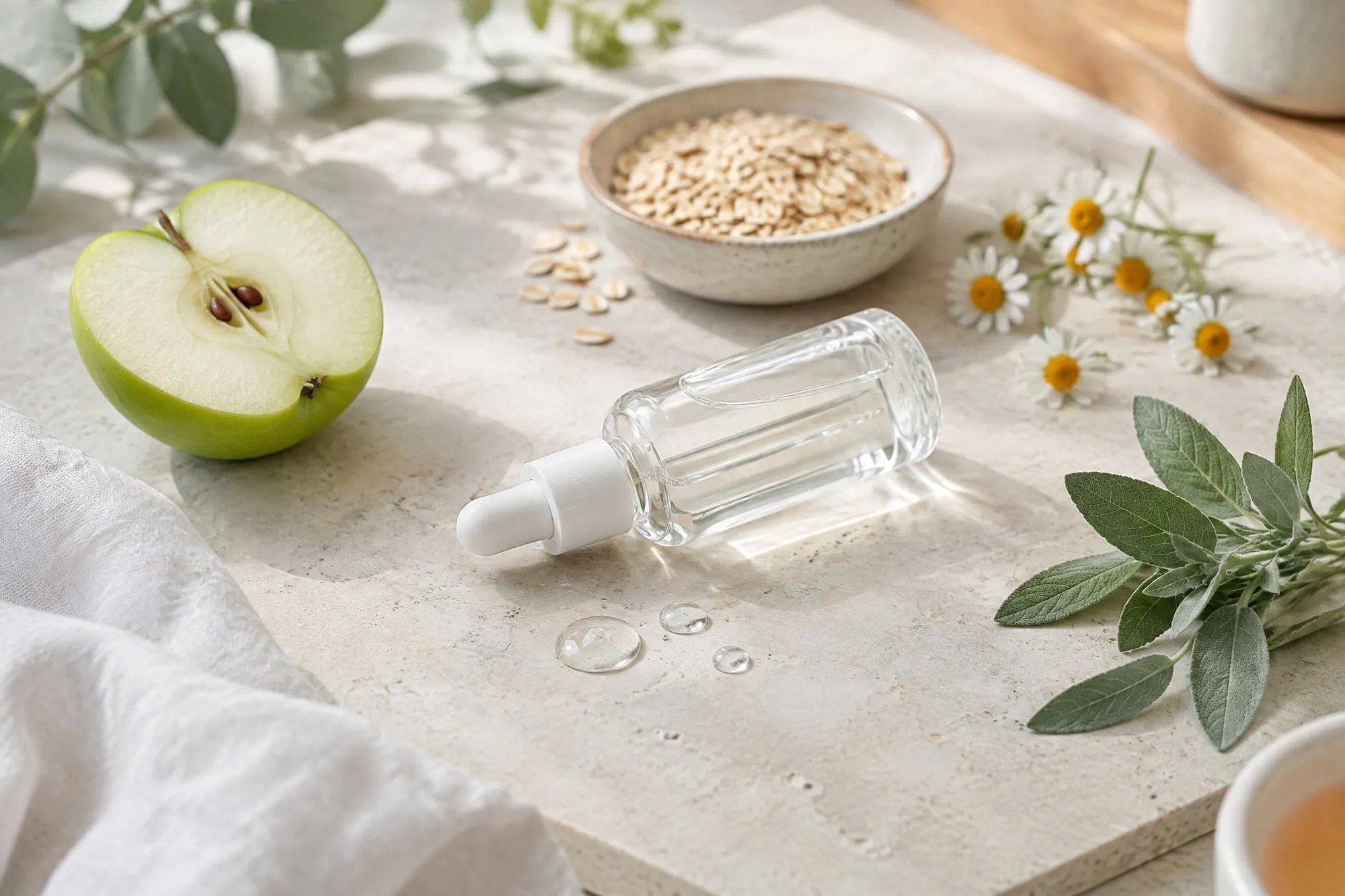
To read a skincare label, check the product’s purpose, its directions and the full ingredient list. Use the list to recognize ingredients and check anything you avoid. Don’t use it to guess exact percentages or predict how a finished formula will work for you.
You can make a useful comparison without learning every technical name. Start with the decisions the label can actually help you make: where the product goes, how to use it and whether its contents fit your preferences.
Start with what the product is
Before turning to the small print, look for the product category. A cleanser is rinsed away. A toner, serum or cream is usually left on. A gel could belong to any of those categories, so the word alone isn’t enough.
Then read the directions. They tell you whether to dampen your skin, how much to dispense and whether to wait before another layer. This is more useful for planning tomorrow morning than choosing a product just because one ingredient sounds familiar.
What does ingredient order tell you?
Ingredients are generally listed by amount. US labeling rules allow ingredients present at 1% or less to appear in any order after those above 1%, with separate provisions for color additives. See the FDA’s cosmetic labeling requirements.
That means an ingredient near the start gives you context, but not a number. Niacinamide appearing second doesn’t let you calculate its percentage. Nor can you reliably identify where a low-concentration section begins just by spotting a preservative.
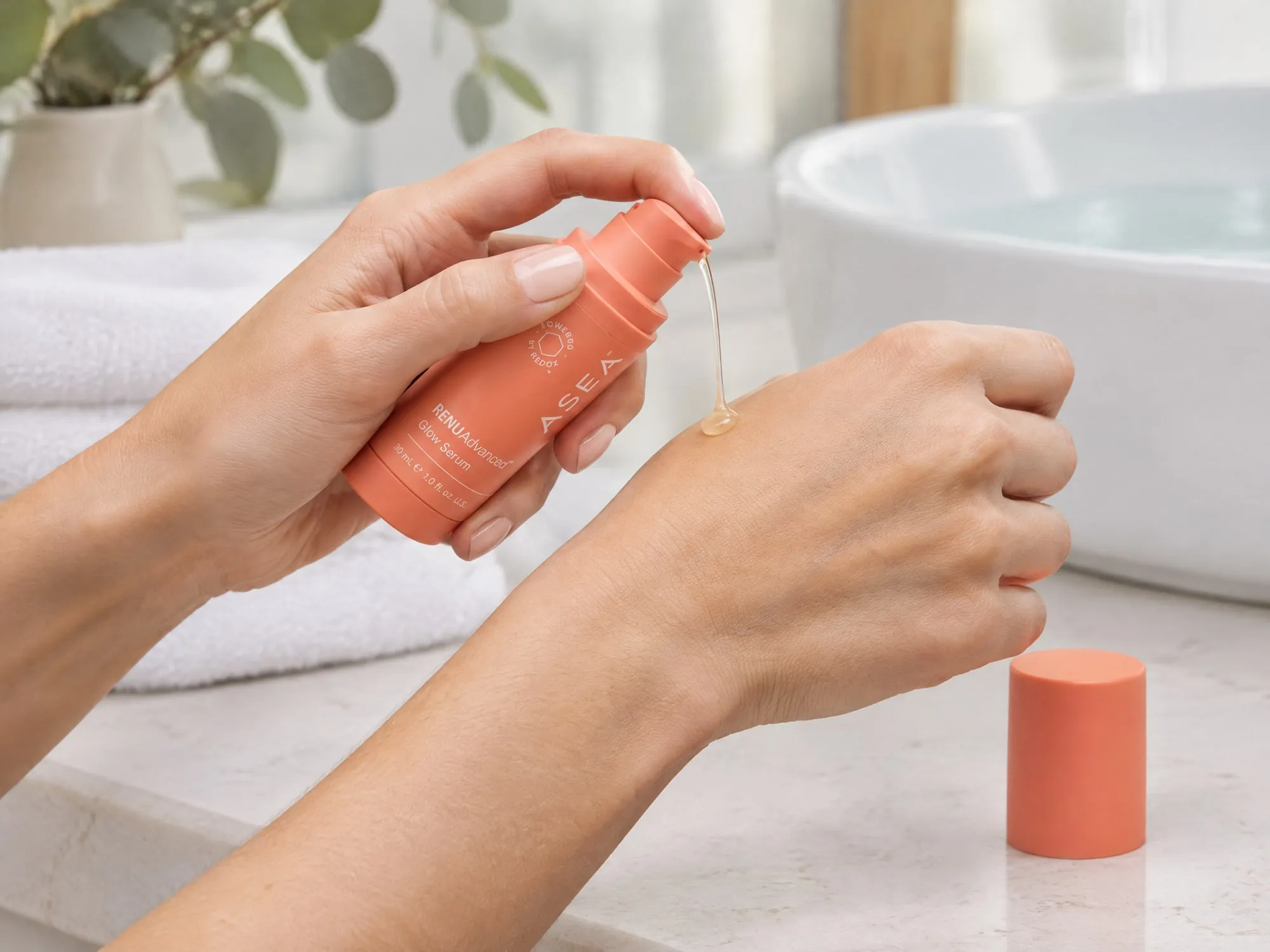
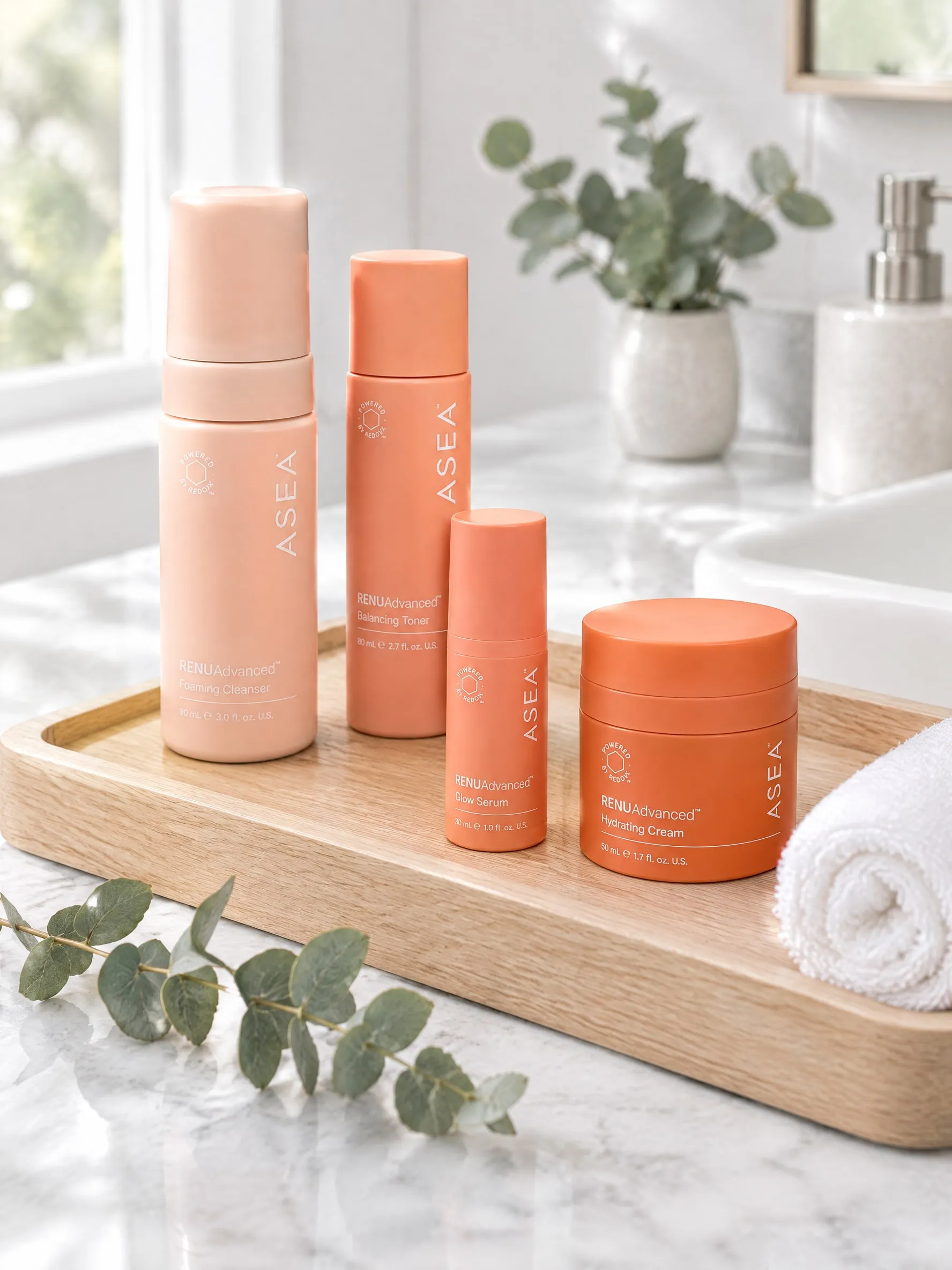
For example, the RENU Advanced Glow Serum lists niacinamide near the start. You can say the formula includes niacinamide; you cannot turn its list position into a concentration or a promised result.
Translate a few familiar names
| Label name | Familiar meaning | Useful distinction |
|---|---|---|
| Aqua / Water / Eau | Water | Different language versions may appear together |
| Niacinamide | A form of vitamin B3 | Its name doesn’t disclose the percentage |
| Sodium hyaluronate | A form related to hyaluronic acid | Different from an exfoliating acid |
| Simmondsia chinensis | Jojoba | The rest of the name identifies the plant part or ingredient |
| Cetearyl alcohol | A fatty alcohol | Different from quick-evaporating alcohol |
Long names aren’t automatically a reason to avoid a formula. Equally, a familiar plant name doesn’t tell you that every person will find the product suitable. For the roles of humectants, emollients and other ingredient groups, read moisturizer ingredients explained.
Is a short ingredient list easier to choose?
A short list can be easier to scan, especially if you are comparing against a specific ingredient you avoid. It doesn’t make a product a replacement for every longer formula.
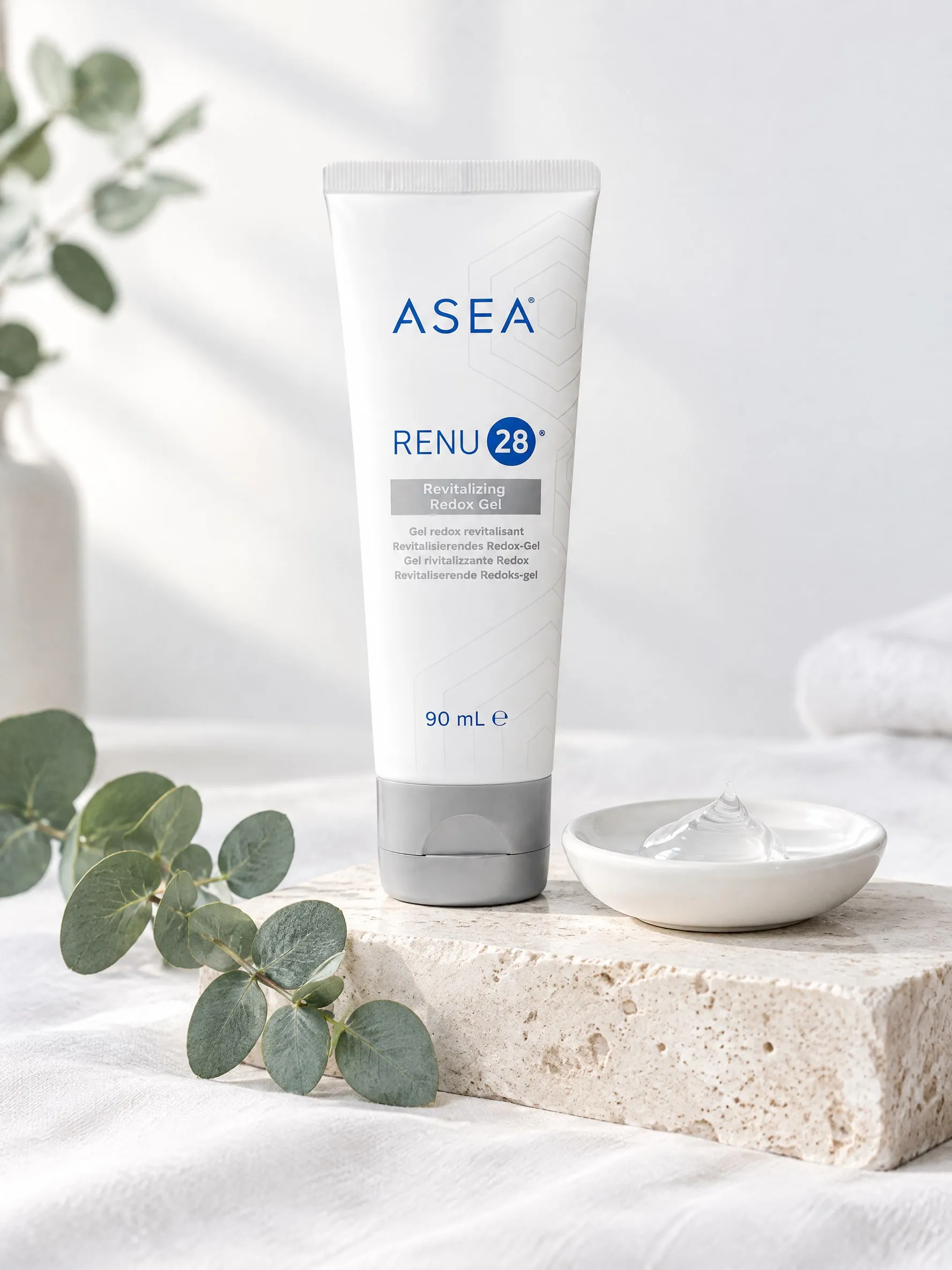
RENU 28 lists four ingredients: water, sodium magnesium fluorosilicate, sodium phosphate and sodium chloride. It is a separate clear gel, used after cleansing. The RENU Advanced Hydrating Cream has a longer list and serves the moisturizing step. Their list lengths reflect different formulas, not a contest for the fewest ingredients.
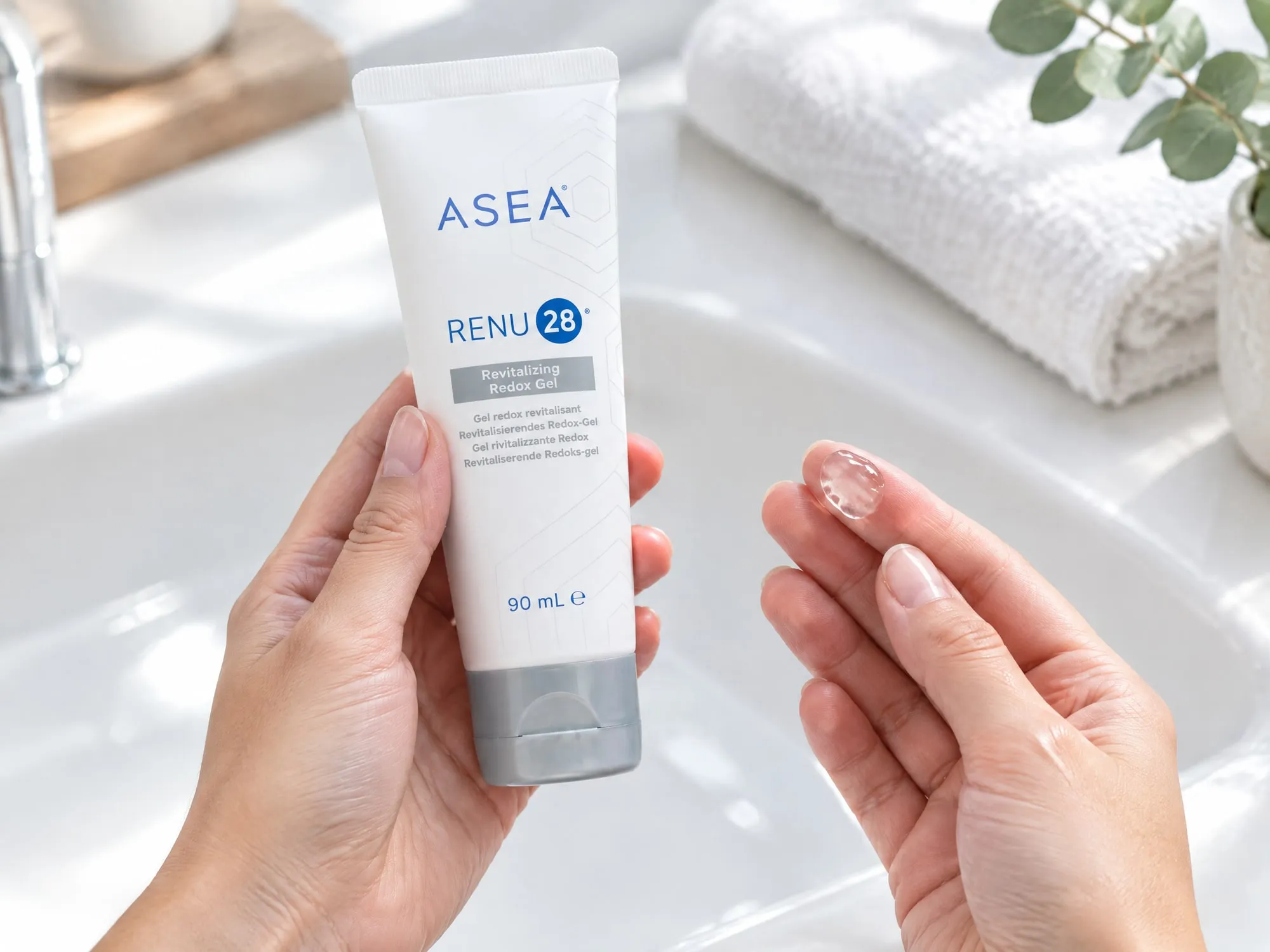
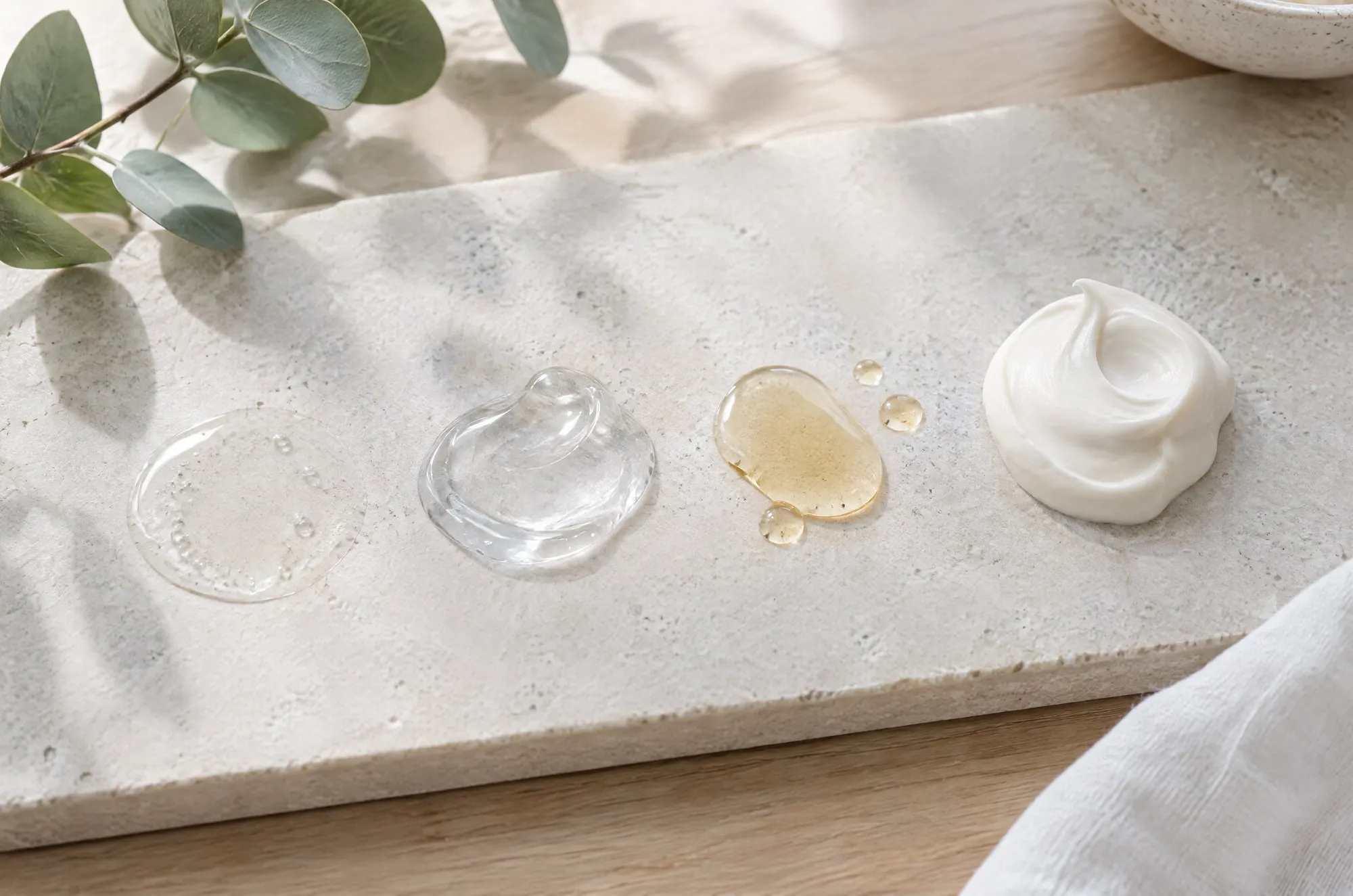
Compare products doing the same job before drawing conclusions from their labels. If you’re choosing between these particular formats, gel vs serum vs moisturizer explains the distinction.
Read beyond the front-of-pack highlights
“Fragrance-free” can be helpful when you prefer products without added fragrance. It doesn’t replace checking the full list for an ingredient allergy. “Plant-based” also needs context: look at the actual ingredients rather than assuming every product from a range shares the same formula.
The RENU Advanced cleanser lists honey, for example. That detail matters if you’re choosing an entirely vegan skincare routine, even though the set is fragrance-free.
Use the label for a practical decision
Before ordering, note the product’s role, the directions and any ingredients you need to avoid. Check the current label for your market, since formulas can change. Once you have those answers, decide whether the format fits your routine.
The RENU 28 and RENU Advanced guides provide full ingredient lists alongside application steps, so you can consider both together.