What’s in Your Moisturizer? Common Skincare Ingredients Explained
Glycerin, squalane, dimethicone, niacinamide. What the long names on the label are, what each one does in the formula, and how to read a label in a minute.
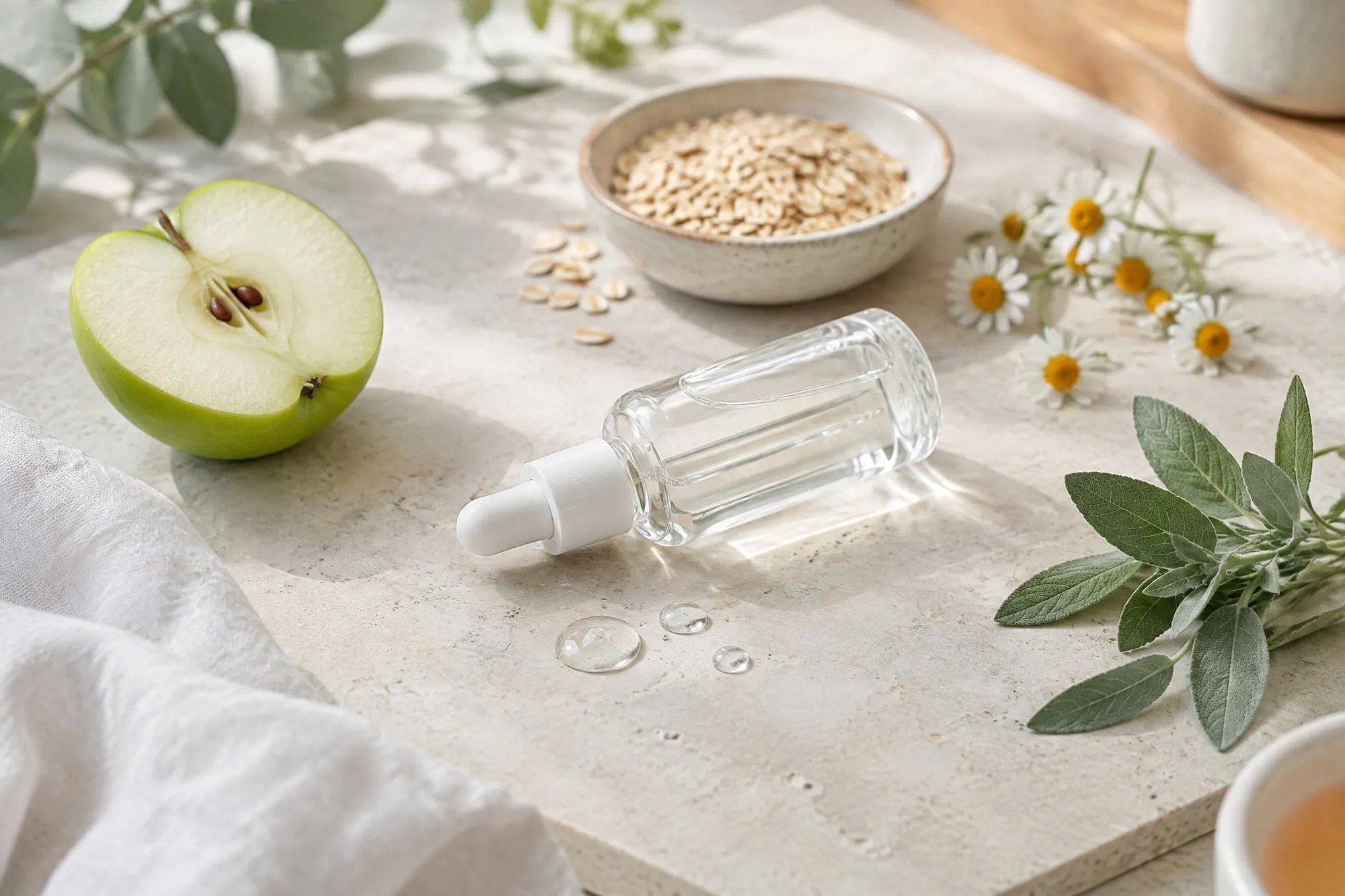
Most moisturizers are built from the same few groups of ingredients: humectants that hold water (like glycerin and hyaluronic acid), emollients that soften (like squalane and plant oils), and occlusives that form a light seal on top (like dimethicone). Add a few texture-makers, a preservative and one or two extras, and you have almost every cream on the shelf.
Once you know the groups, even a long ingredient list starts to make sense. Here’s a plain guide.
How to read an ingredient list in one minute
Ingredients are generally listed in descending order by amount. There are exceptions: on US labels, ingredients at 1% or less may be listed in any order after those above 1%. The FDA’s cosmetic labeling guide explains this distinction. So:
- The beginning gives you a broad idea of the base. Water often appears first, and glycerin is a common humectant.
- Position does not reveal an exact percentage. You cannot calculate a serum’s strength from the list alone.
- Long Latin-looking names are often familiar things. Simmondsia chinensis is jojoba; Olea europaea is olive; Aqua is simply water.
Skincare labels use a shared naming system called INCI, so the same ingredient has the same name on every product, whatever the brand.
Humectants: the water holders
Humectants are ingredients that draw water into the top layer of skin and help it stay there. The overall formula determines how light or rich a moisturizer feels.
| Ingredient | What it is | How it feels |
|---|---|---|
| Glycerin | One of the most common skincare ingredients | Light, slightly cushiony |
| Hyaluronic acid (often listed as sodium hyaluronate) | A water-holding molecule; not an exfoliating acid | Light and smooth |
| Sodium PCA | A humectant that occurs naturally in skin | Weightless |
| Betaine | A humectant often derived from sugar beets | Soft, non-sticky |
Glycerin is common in cleansers, serums and creams, so its presence alone does not tell you what texture to expect.
Emollients: the softeners
Emollients fill in the tiny gaps between flakes on the skin’s surface, which is why skin feels smoother right after you apply them.
- Squalane is a light, silky oil that sinks in without a heavy feel.
- Jojoba esters come from jojoba oil and give creams a smooth glide.
- Caprylic/capric triglyceride is a light oil made from coconut oil and glycerin.
- Plant oils like olive, coconut or sunflower add richness.
Occlusives: the light seal
Occlusives sit on the surface and slow down how fast water evaporates from your skin. A little goes a long way.
- Dimethicone is a silicone that gives creams their smooth, almost velvety finish.
- Butters and waxes such as shea butter or beeswax are richer and often found in balms.
- Petrolatum is the classic occlusive in heavy ointments.
Creams for dry skin tend to have more emollients and occlusives; light gels and lotions lean on humectants.
Texture-makers: why cream feels like cream
- Fatty alcohols like cetearyl alcohol are waxy, softening ingredients that thicken creams. They’re nothing like the drying alcohol in hand sanitizer.
- Emulsifiers like glyceryl stearate keep oil and water mixed instead of separating.
- Thickeners like xanthan gum give gels and serums their body.
Preservatives: why they’re there
Water-based cosmetics need an effective preservation system to limit microbial growth during use. Phenoxyethanol and ethylhexylglycerin are two you’ll see often, usually near the end of the list in small amounts. Airless pumps and jars help, too, because fingers never touch the product.
The popular extras
Beyond the basics, many serums and creams include an ingredient or two that people look for by name:
- Niacinamide is a form of vitamin B3 and one of the most widely used ingredients in serums and moisturizers, found in many different formulas and concentrations.
- Peptides are short chains of amino acids, usually listed with long names like tripeptide or hexapeptide followed by a number.
- Vitamin C derivatives such as tetrahexyldecyl ascorbate are oil-soluble forms of vitamin C used in creams.
- Plant extracts such as oat, chamomile or apple are named for their plant source; the list alone does not reveal their amounts.
Putting it together: reading a real label
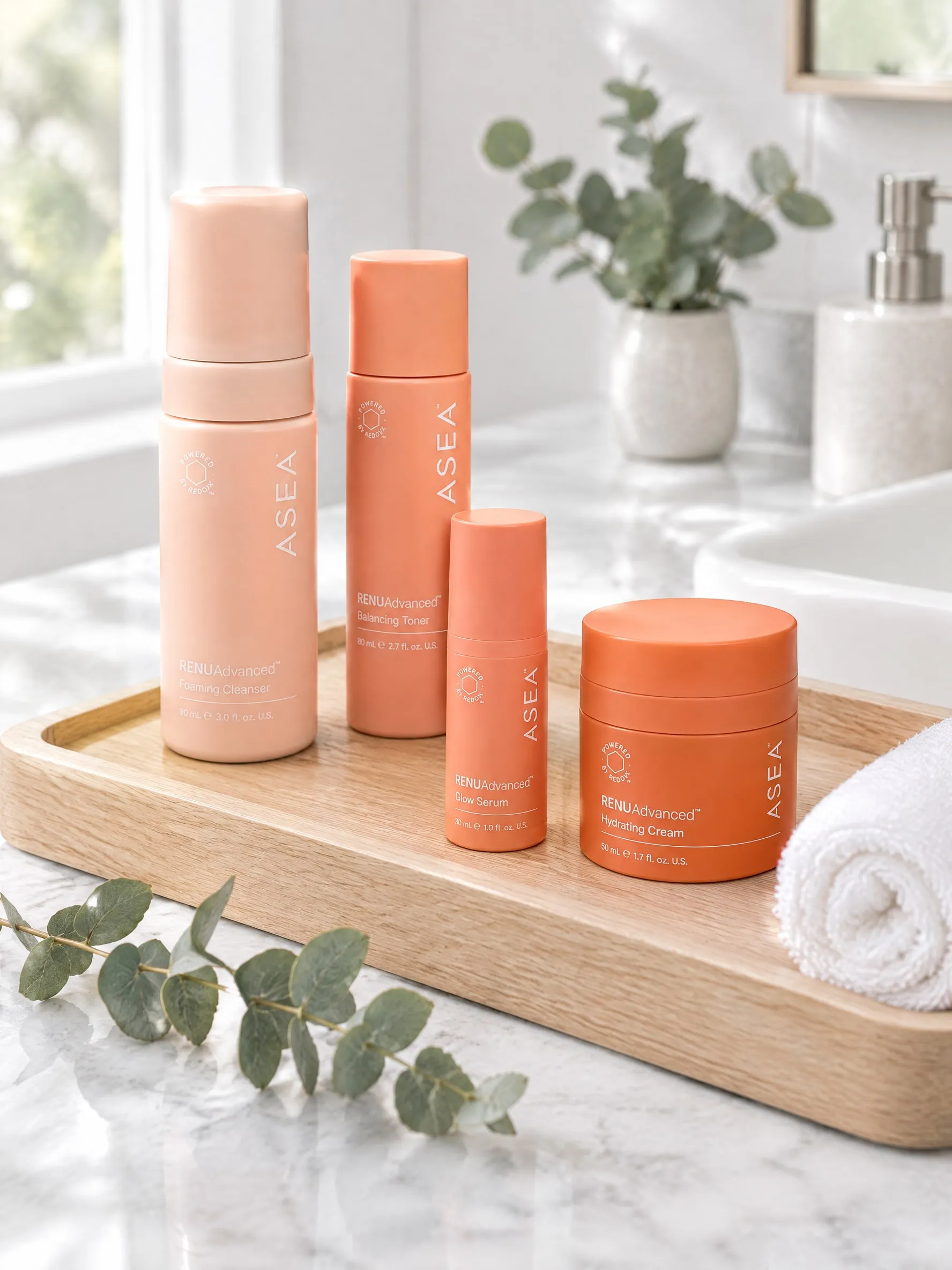
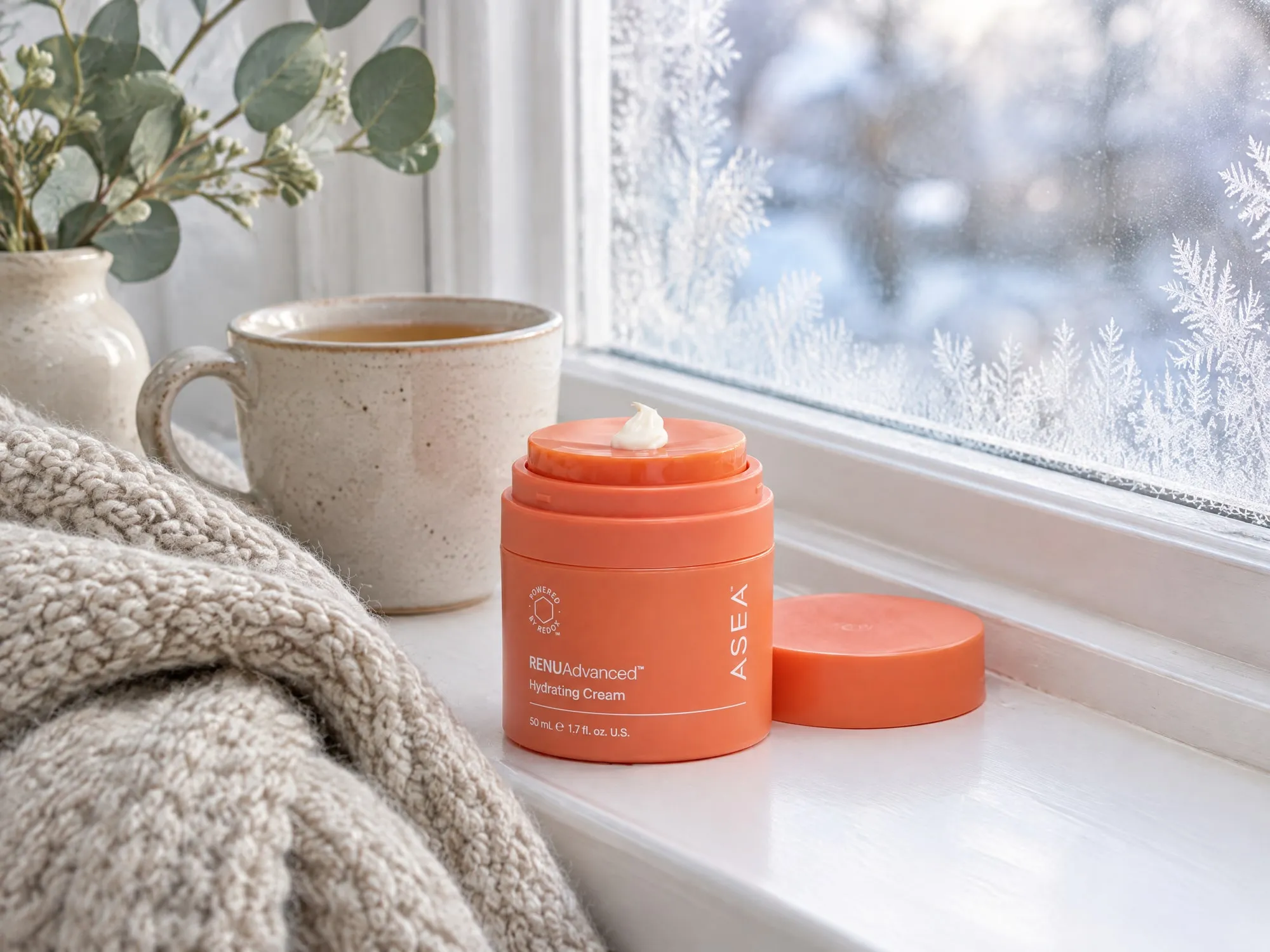
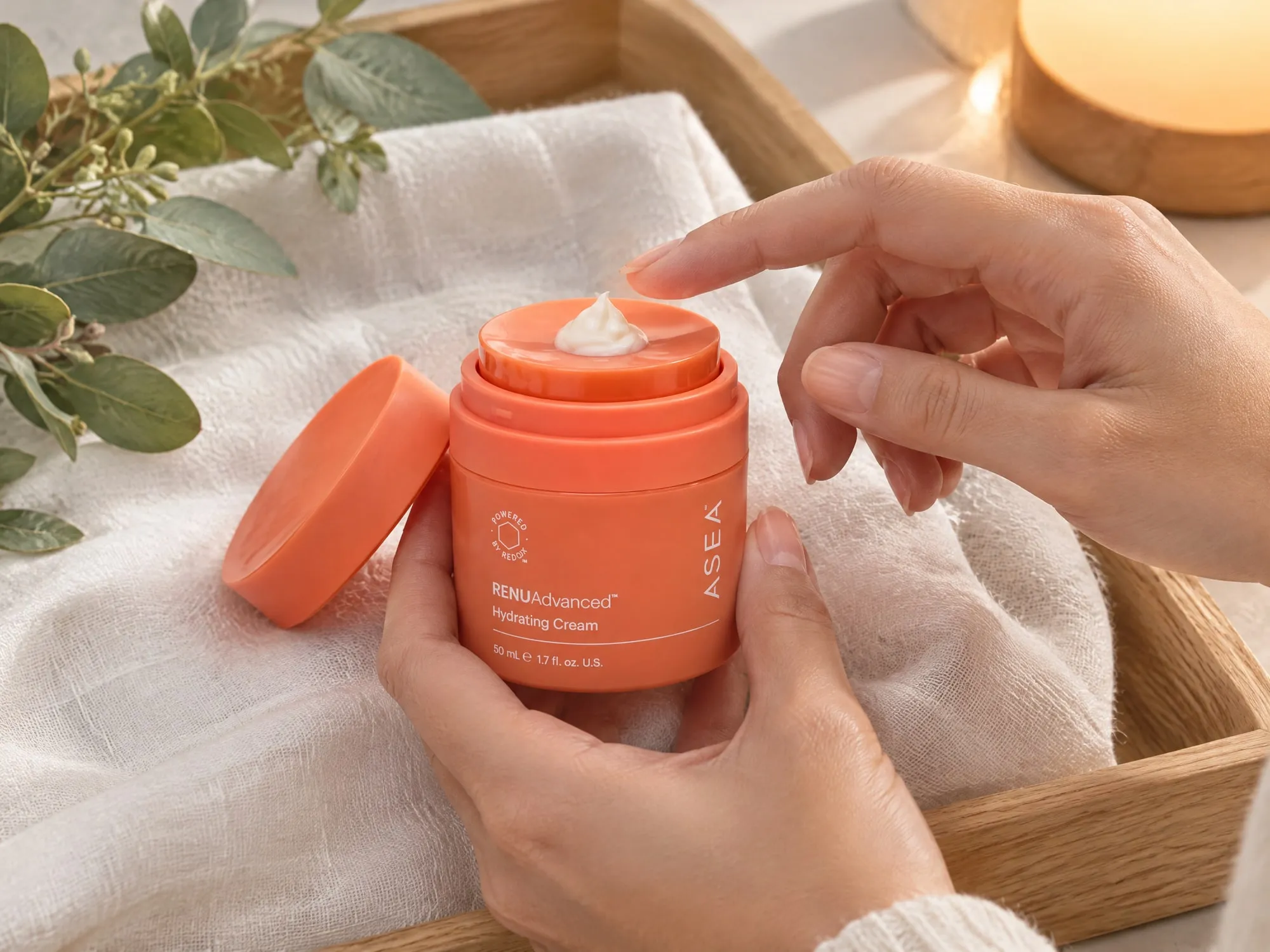
Take the RENU Advanced Hydrating Cream as an example. Its label starts with Aqua (water) and glycerin, and further down you’ll find:
- Humectants: glycerin, sodium hyaluronate (hyaluronic acid) and sodium PCA
- Emollients: squalane, jojoba esters, caprylic/capric triglyceride, olive fruit unsaponifiables and coconut oil
- An occlusive: dimethicone
- Texture-makers: cetearyl alcohol, glyceryl stearate and xanthan gum
- Extras: niacinamide, a peptide (trifluoroacetyl tripeptide-2) and a vitamin C derivative (tetrahexyldecyl ascorbate)
- Preservatives: phenoxyethanol and ethylhexylglycerin, near the end
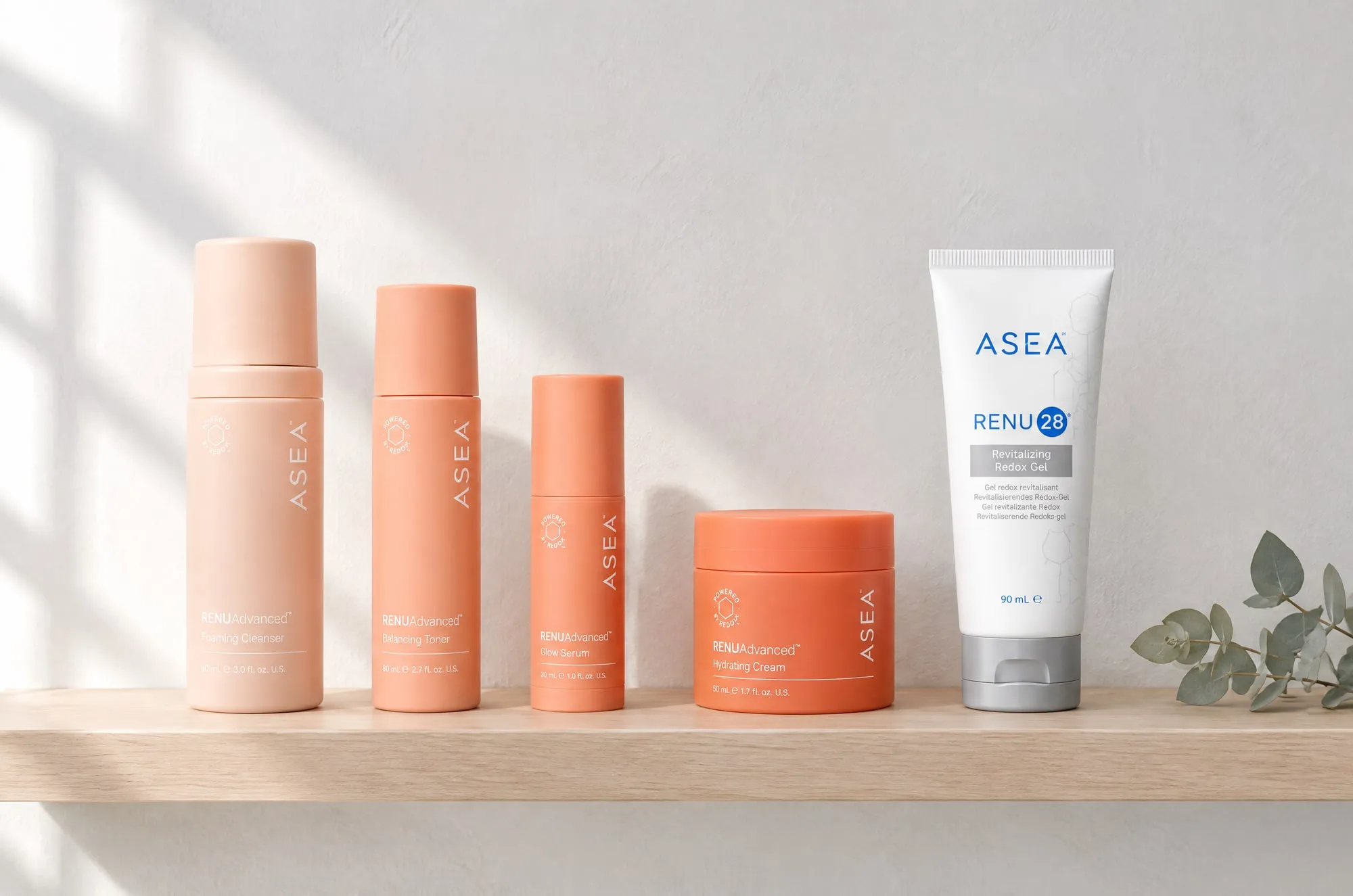
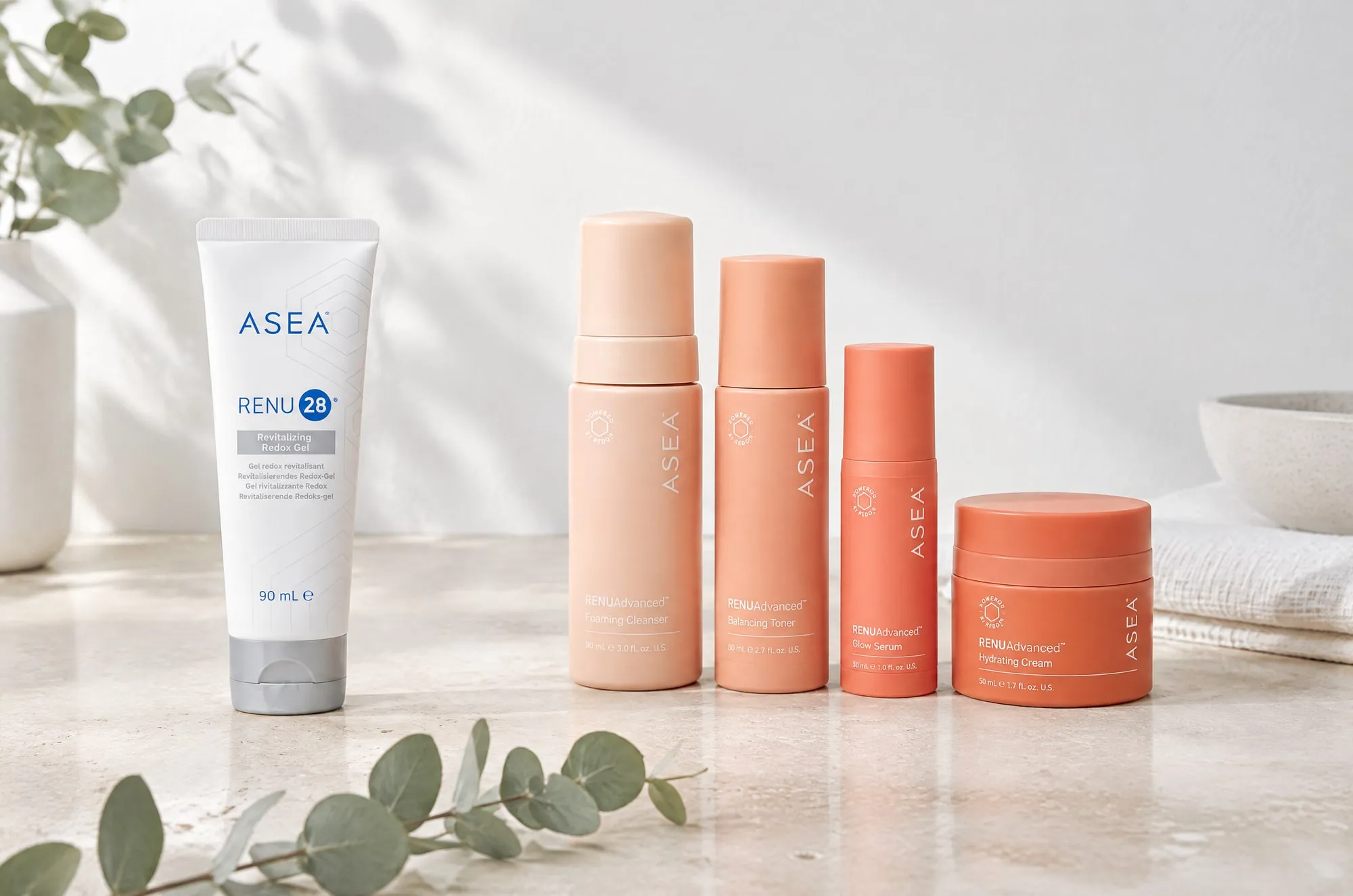
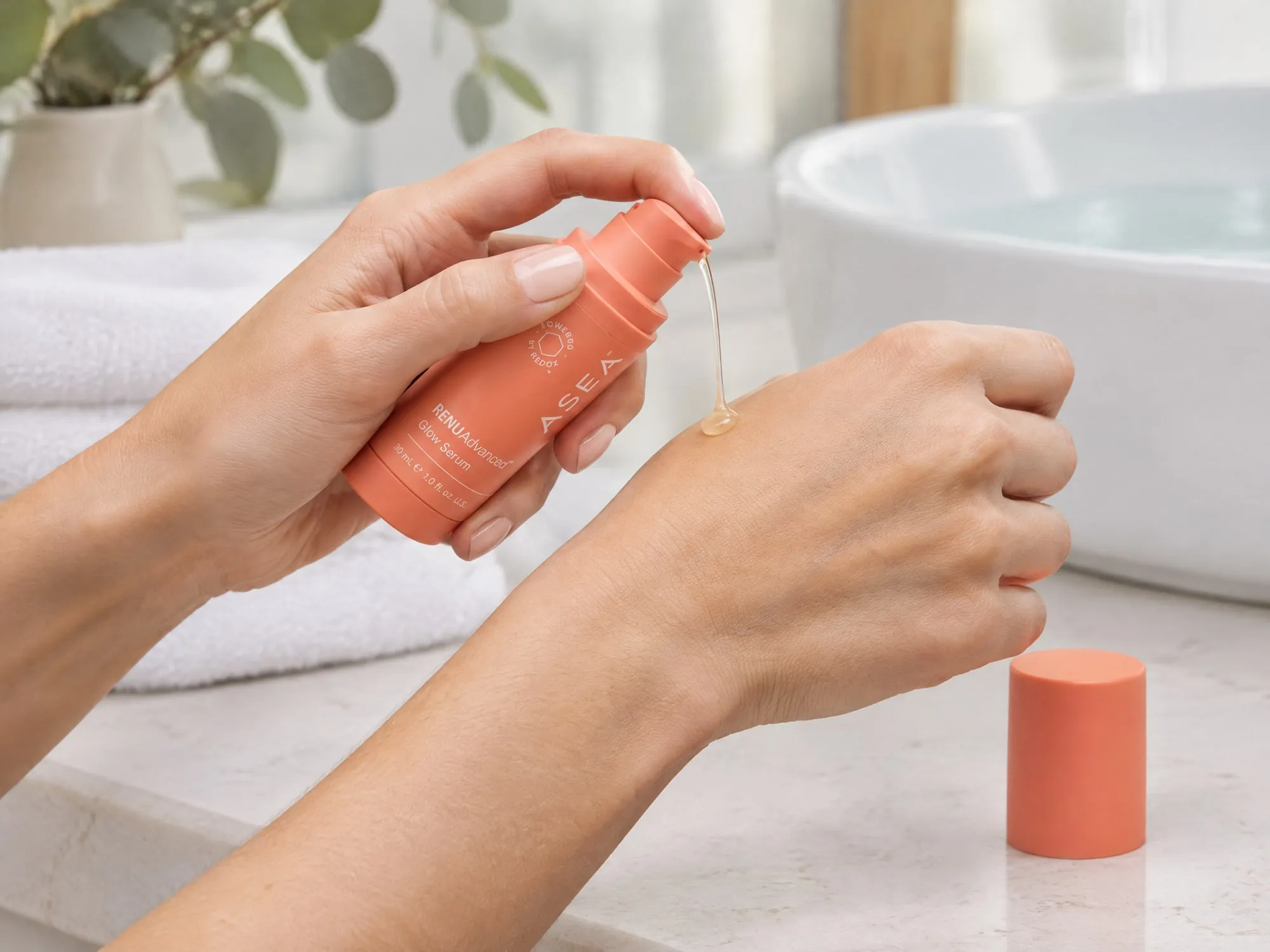
Every group from this guide is there, which is what you’d expect from a cream designed as the last step of a routine. The cream is part of the four-step RENU Advanced routine, whose Glow Serum also lists niacinamide and sodium hyaluronate.
A few label myths
- “Chemical-free” isn’t a real thing. Everything, water included, is a chemical. Look at what’s actually in the product instead.
- A short list isn’t automatically better. It’s easy to read, but what matters is how a product suits your skin and your routine.
- “Acid” doesn’t always mean exfoliating. Hyaluronic acid holds water; it doesn’t peel anything.
If you’re building a routine around these products, the layering guide explains which textures go first. And for skin that feels tight in the cold months, the winter routine shows how to put a richer cream to good use.