A Gentle Winter Skincare Routine for Dry, Tight-Feeling Skin
Cold air outside and heating inside can leave skin feeling tight. A few easy swaps make it feel soft and comfortable again.
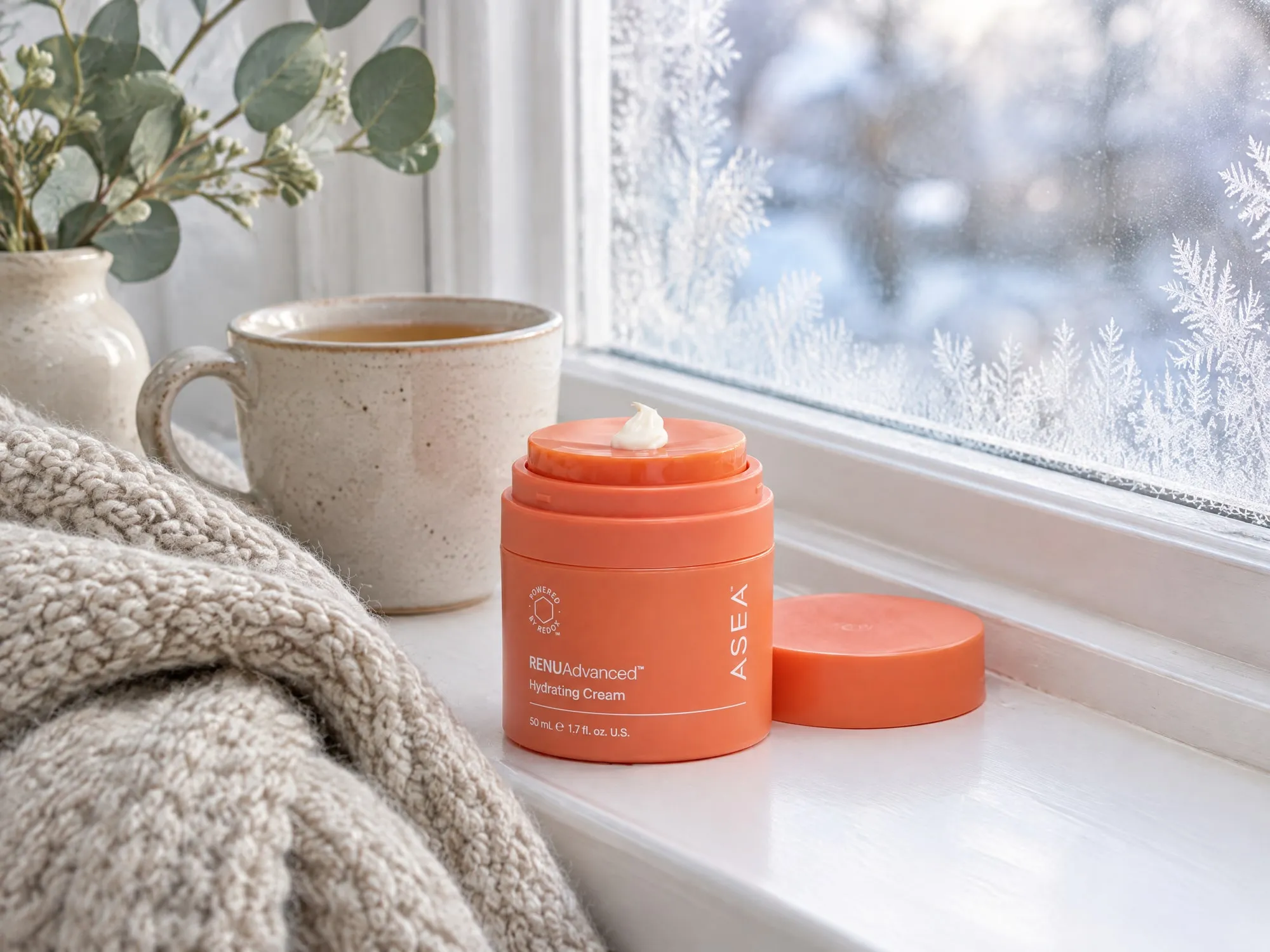
When skin feels dry and tight in winter, start with a few gentle adjustments: lukewarm water, a mild cleanser and a moisturizer you find comfortable. Apply moisturizer after washing while skin is slightly damp, unless other product directions require a different sequence.
Here’s the routine, swap by swap.
Why winter is hard on skin
Cold air outside holds very little moisture, and central heating dries indoor air further. Long, hot showers feel wonderful in January but leave skin feeling tighter afterward. Put the three together and it’s no surprise your cheeks feel rough by February.
Start by adjusting how you wash and moisturize before replacing your whole shelf.
Swap 1: Turn the water down
Hot water is the easiest thing to change. Wash your face with lukewarm water, and keep showers warm rather than steaming. If your face feels tight after rinsing, review both the water temperature and your cleanser.
Swap 2: Choose a gentle cleanser
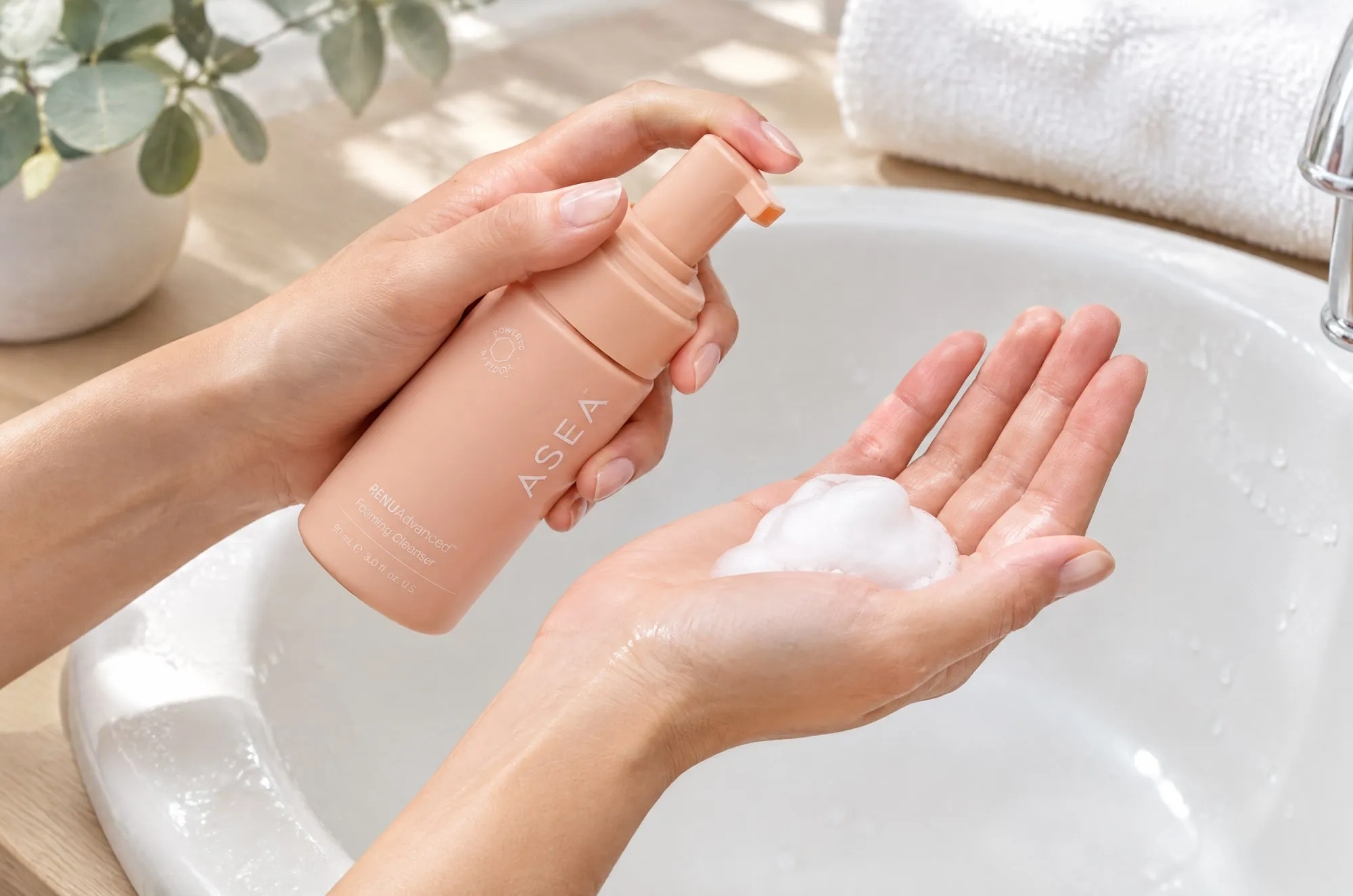
In winter, a cleanser should leave your skin feeling soft, not squeaky. A mild foaming or cream cleanser is plenty. On mornings when your skin feels comfortable, a rinse with lukewarm water is enough on its own.
Ease off scrubs and strong exfoliating products for the season, too. In winter, doing less is often the kinder choice.
Swap 3: Moisturize after washing
For a simple cleanse-and-moisturize routine, pat skin lightly and apply moisturizer while it is still slightly damp. Follow separate directions for any gel, serum or other product you add; damp-skin application is not a rule for every layer.
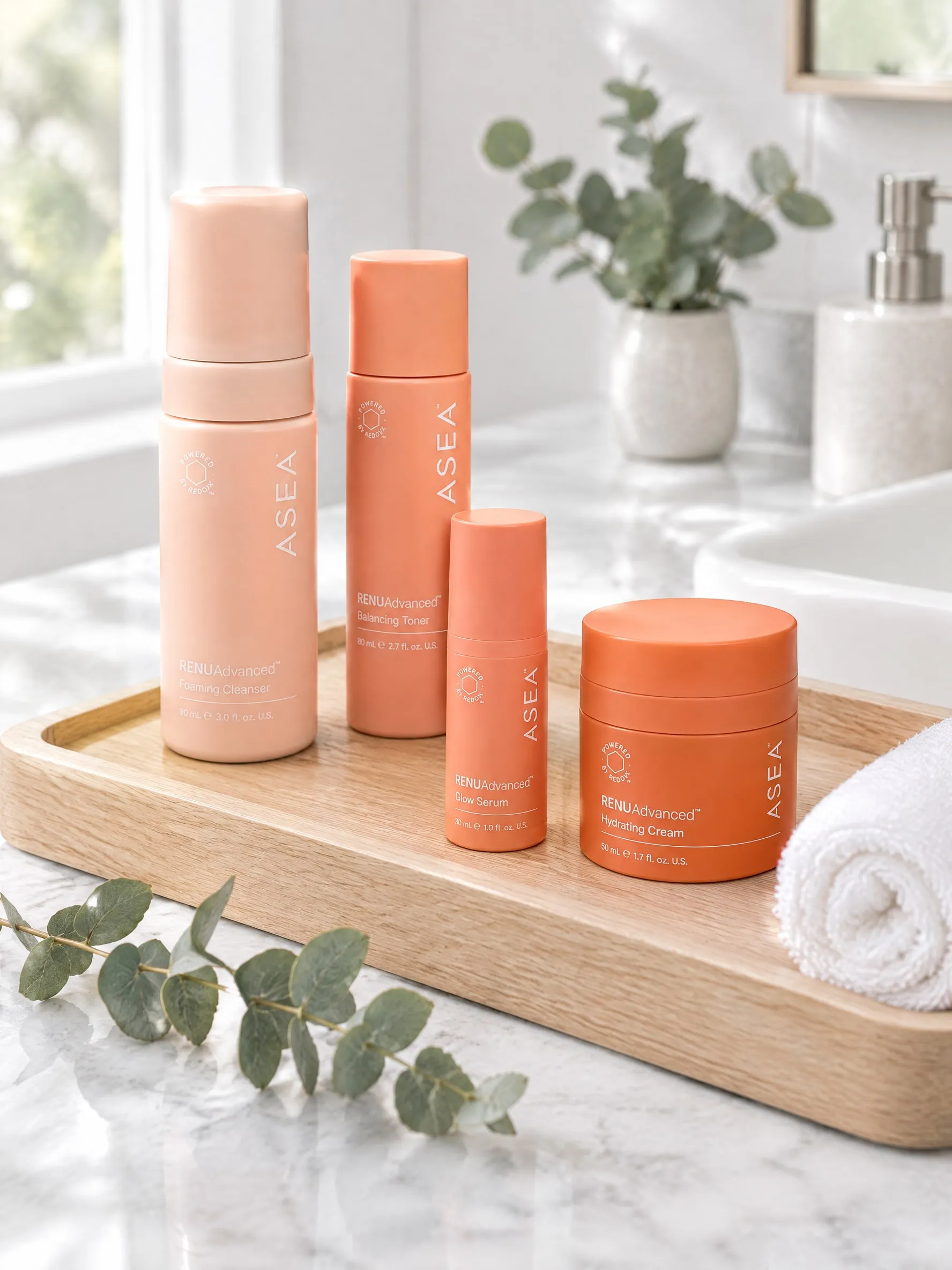
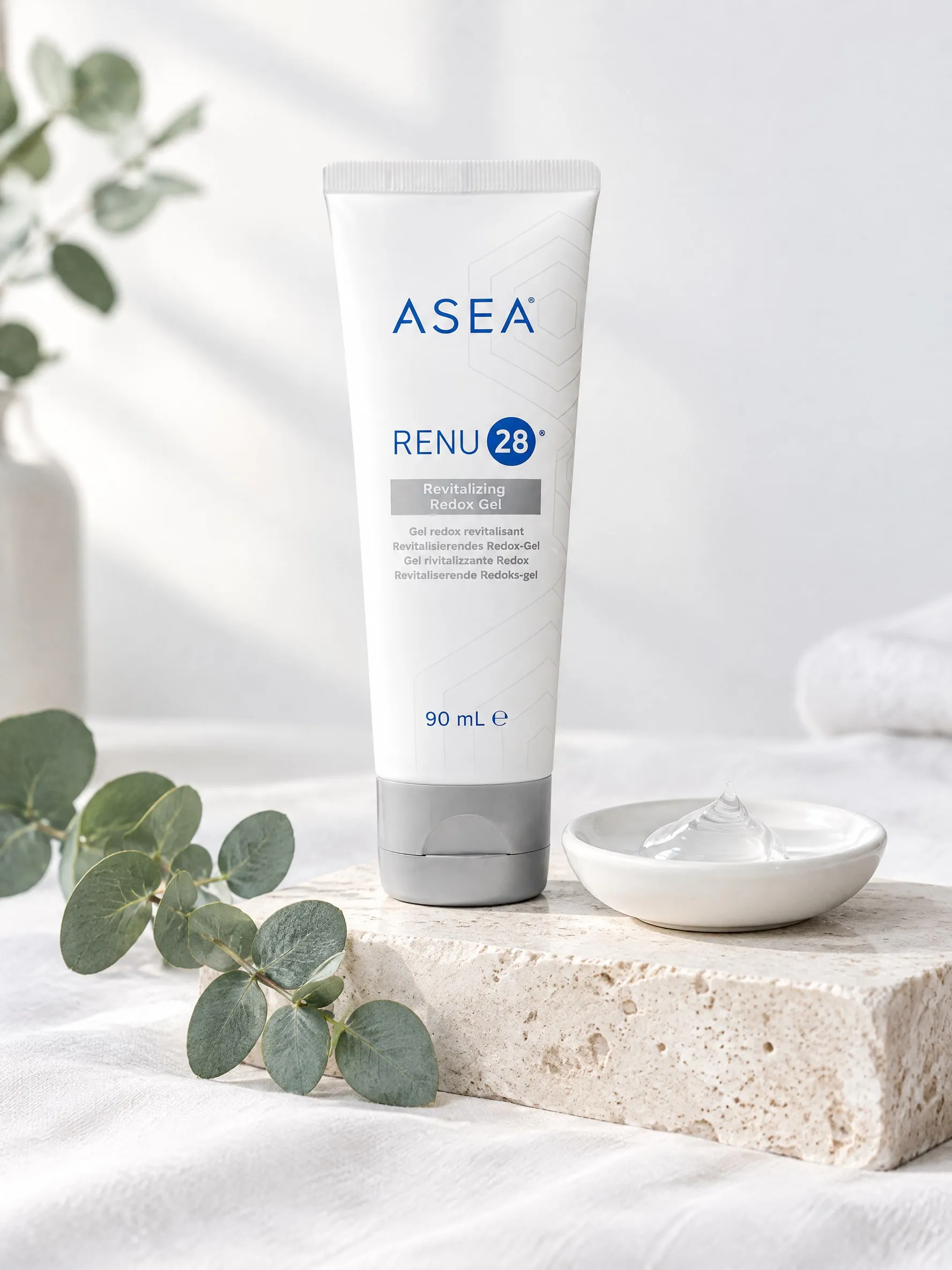
The order stays the same as always: toner, serum, then cream. If you use a clear gel like RENU 28, it goes on first after cleansing; let it dry, then continue. Unsure about the order? Here’s the full layering guide.
Swap 4: Be generous with cream at night
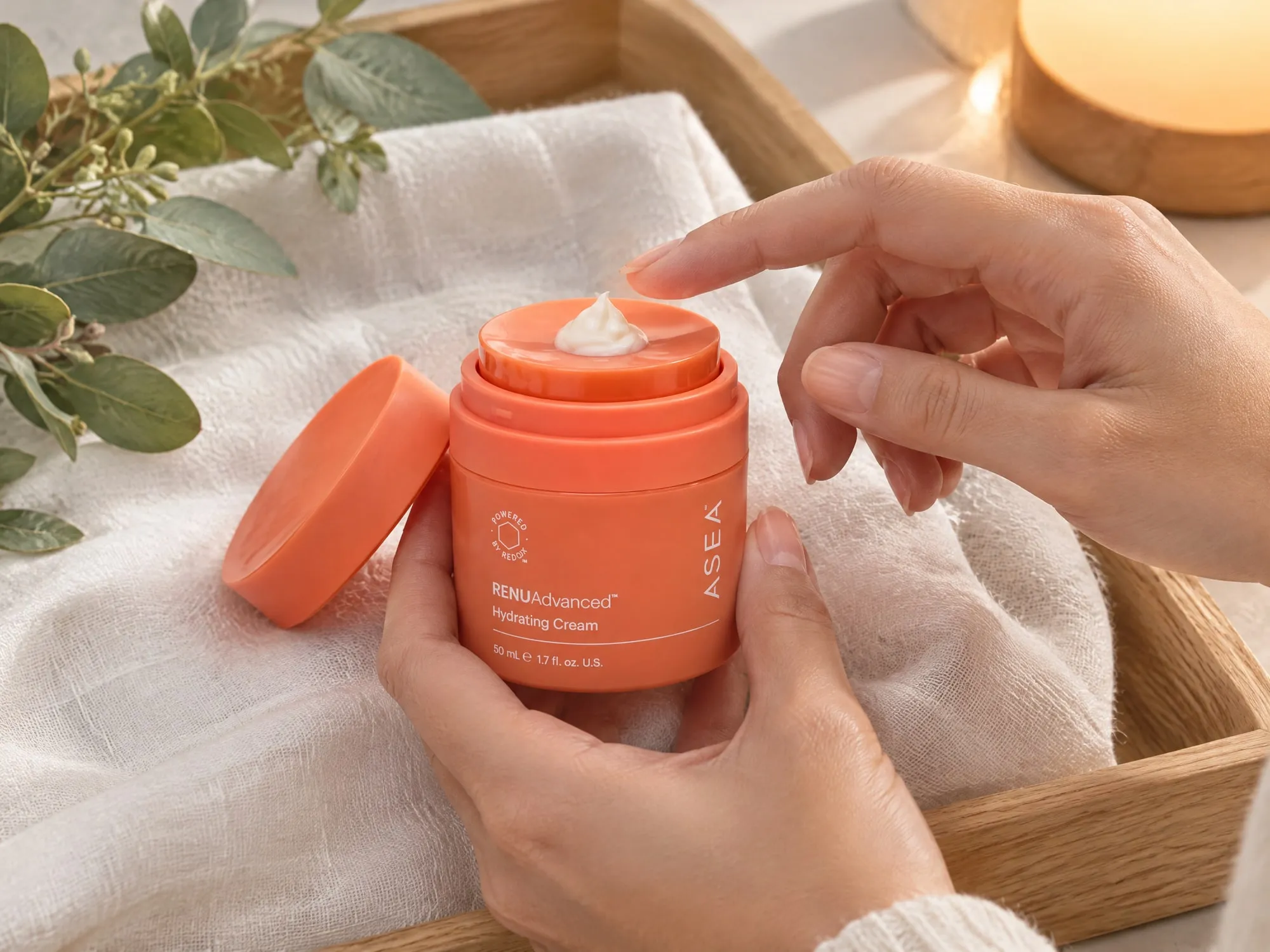
Evening is the time for a little extra. Use a slightly richer cream than you would in summer, or simply a bit more of your usual one, and don’t forget your neck and the backs of your hands.
The RENU Advanced Hydrating Cream is a good example of a cream built for this step. Its label includes glycerin, sodium hyaluronate, squalane, jojoba esters and dimethicone. Moisturizer ingredients explained walks through what each of those does.
Swap 5: Add moisture to the air
A humidifier can add moisture to dry indoor air. Clean it and maintain it according to its instructions. The American Academy of Dermatology’s dry-skin tips also cover gentle washing, moisturizer and when to seek help.

Swap 6: Look after your body, too
Winter dryness isn’t just a face thing. Shins, elbows and hands often feel it first.
- Apply body products within a few minutes of your shower, while skin is still slightly damp.
- RENU 28 is made for face and body, so the same tube can live by the shower. Cleanse, pat dry, then apply generously and let it dry.
- Keep hand cream by every sink and put some on after washing up.
- Wear gloves outside when it’s properly cold.
Your winter routine at a glance
Morning
- Rinse or cleanse with lukewarm water.
- Optional: a gel like RENU 28, left to dry.
- Optional toner and serum, following their directions.
- Moisturizer, followed by sunscreen as directed.
Evening
- Remove makeup and cleanse gently.
- Optional: gel, then toner and serum.
- Face and body moisturizers, using the amounts on their labels.
- Humidifier on, a glass of water by the bed.
If your skin cracks, bleeds, remains very itchy or does not improve, speak with a dermatologist or your doctor.
Winter can also be a good time for a slower evening routine. The evening wind-down turns these steps into ten calm minutes before bed.