Why Is My Skincare Pilling? A Calm Way to Troubleshoot
Little rolls of product can spoil an otherwise easy morning. Work through your layers one change at a time, starting with the products you already own.

Skincare can pill when applied products gather into little rolls on the skin’s surface. The combination of formulas, the amount you use, and the way you layer them can all matter. Start by checking directions and simplifying optional layers; don’t solve the problem by using less sunscreen.
It often happens just when you’re nearly ready to leave: moisturizer looks fine, sunscreen goes on, and suddenly there are tiny bits around your jaw. You don’t need to replace the whole shelf that morning. A few useful observations will give you a better starting point.
What does skincare pilling look like?
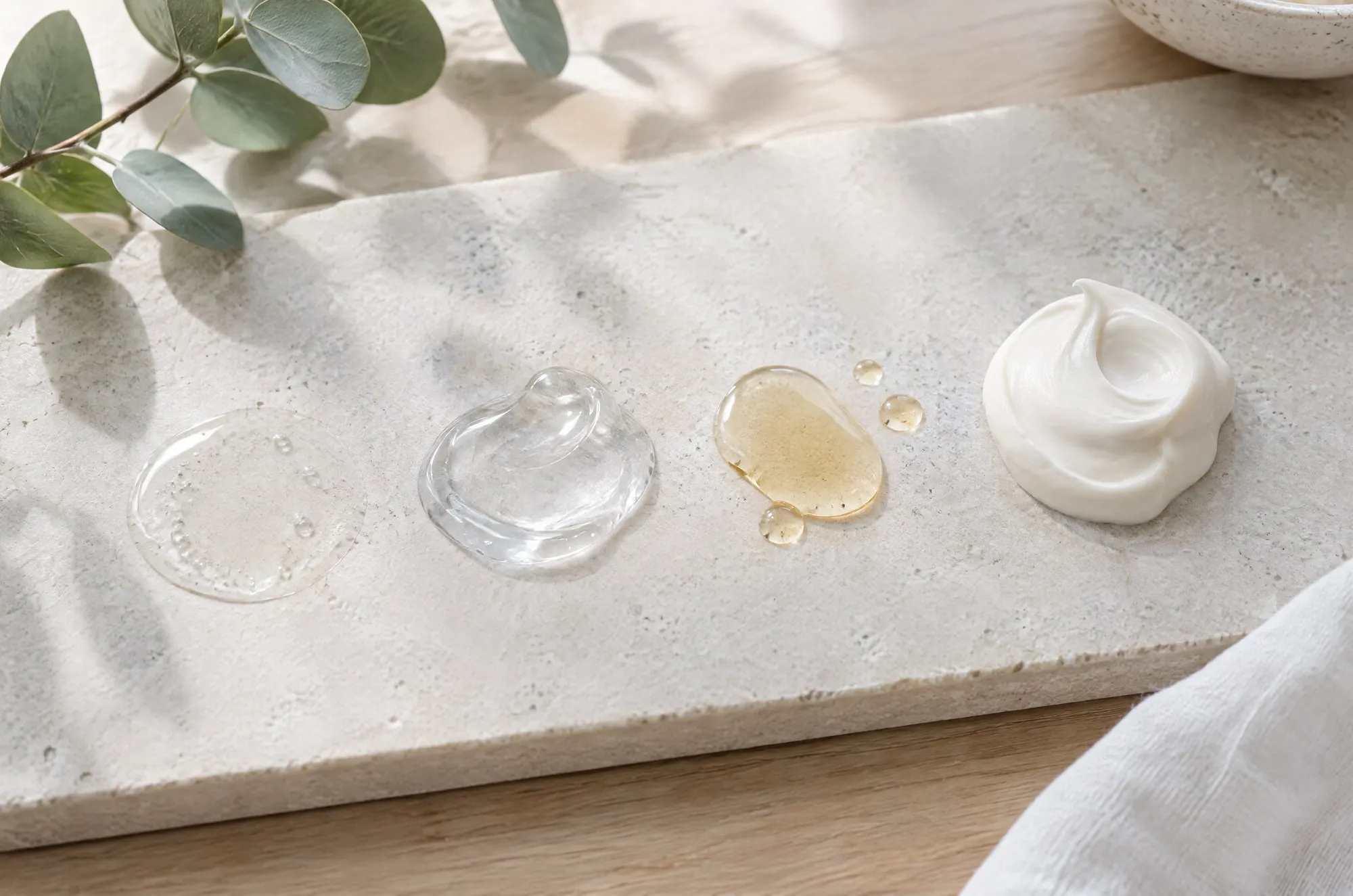
Pilling looks like small crumbs or soft rolls that appear as you spread a product or touch an area you’ve already covered. They may be white, clear, or tinted by makeup.
It isn’t automatically peeling skin. Notice whether the flakes were present on your clean face or appeared only after application. If your skin is sore, itchy, or persistently peeling, stop experimenting with layers and ask a dermatologist for advice.
A study of skincare pilling found that product ingredients, application methods, and skin characteristics can all contribute. That makes a universal explanation, such as blaming every silicone-containing product, too simple. The full formula and the combination matter.
Start with the moment the rolling begins
Identify the first step where you see pilling, rather than automatically blaming the last bottle you bought. Use your next ordinary routine as an observation, without deliberately rubbing until something rolls off.
Write down three things in a phone note:
- The products you used, in order.
- The step where rolling first appeared.
- Anything different that day, such as an extra serum, a second layer of cream, or foundation.
Be specific: “After sunscreen, before makeup” tells you more than “Everything pills.” If it only happens with one foundation, include that in the note. If the same moisturizer sits comfortably at night, record that too. These details help you describe the issue to the manufacturer if you need product-specific advice.
| When you notice it | What to check next |
|---|---|
| While applying one product | Its amount, directions, and application method |
| When you add a second layer | The two products together and whether the first had settled |
| Only after sunscreen | Optional layers underneath, while keeping the sunscreen’s full directed amount |
| Only with makeup | Primer and foundation as well as the skincare underneath |
| Before any product goes on | Whether you’re seeing skin flakes rather than product rolls |
Check amounts and order before adding anything new
Use the amount directed for each product. A full dropper isn’t automatically the right serving of serum, and a second scoop of cream isn’t always needed. Equally, “use less” is not a blanket instruction: sunscreen and prescribed products have their own requirements.
The Ordinary’s pilling guide identifies excess product, layering, and formula compatibility as possible contributors. It recommends following product directions and allowing layers to settle. Those are useful checks before shopping for a replacement.
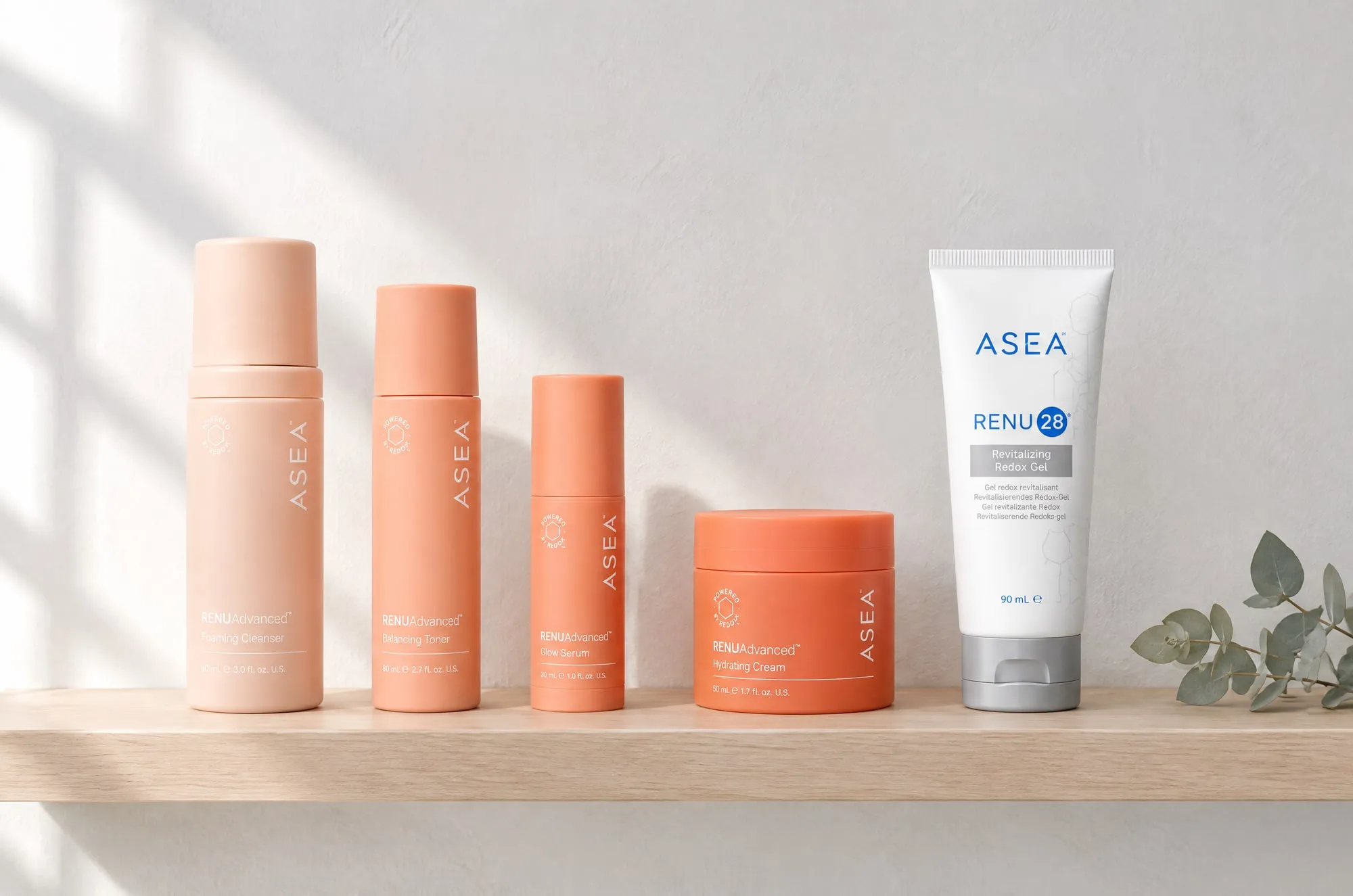
Set the bottles out in their intended order and read the labels once, without trying to remember advice from several different routines. If two instructions seem to conflict, ask the manufacturer. Our skincare routine order guide can help you map the broader sequence, with optional steps clearly separated.
Give wet layers a little room
Let the previous step settle before starting the next, following any waiting instructions on its label. There isn’t one reliable countdown for every serum, gel, cream, and sunscreen.
You can make that pause less awkward by rearranging the morning. Apply one step, put your hair back, then return to the next. Keep the routine short enough that you aren’t trying to squeeze six wet layers into the last minute before leaving.
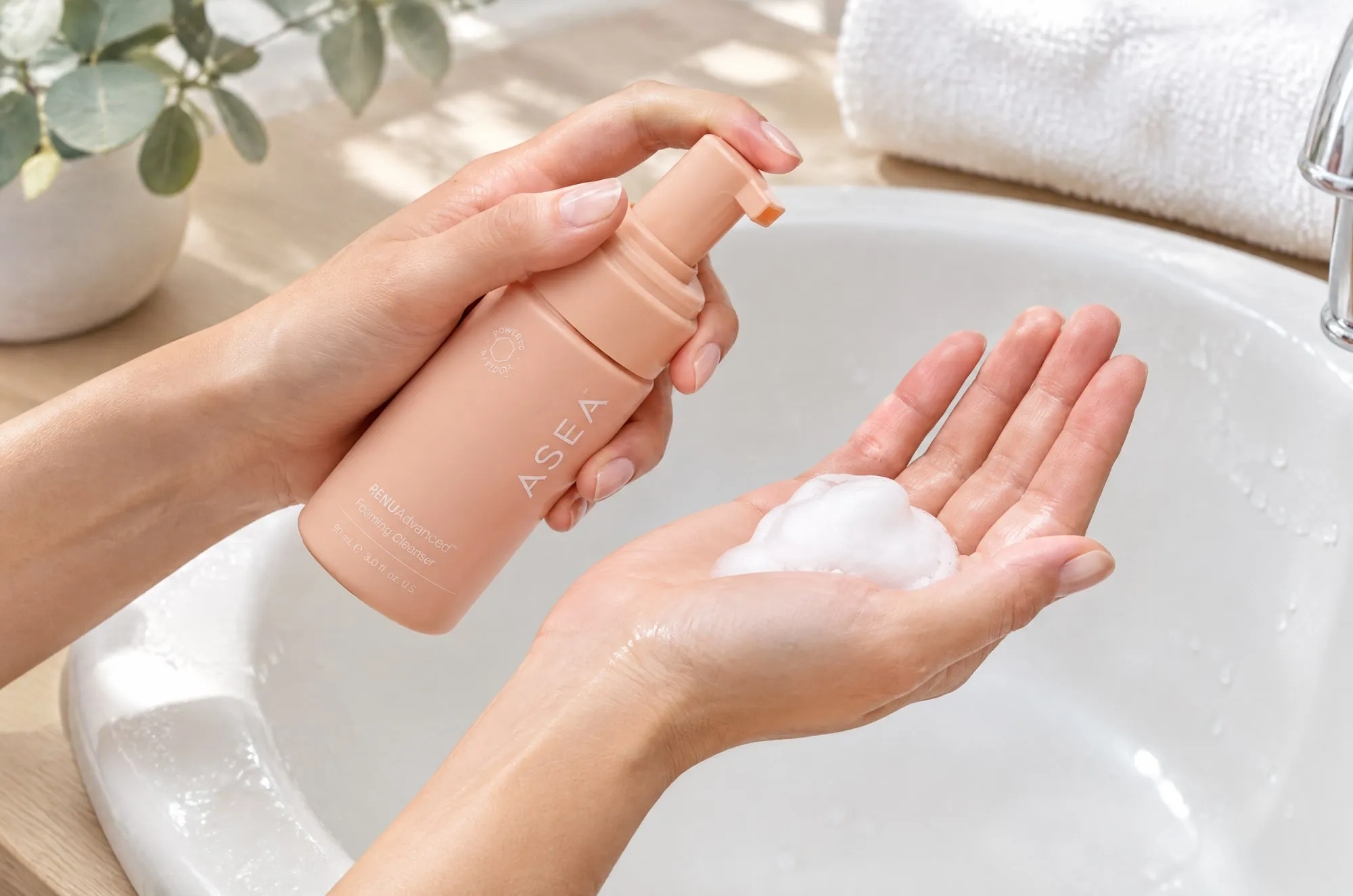
Spread products gently as directed, then leave them alone. Repeatedly going back over the same patch to check whether it has absorbed can become part of the problem. You don’t need to keep massaging until your skin feels completely bare.
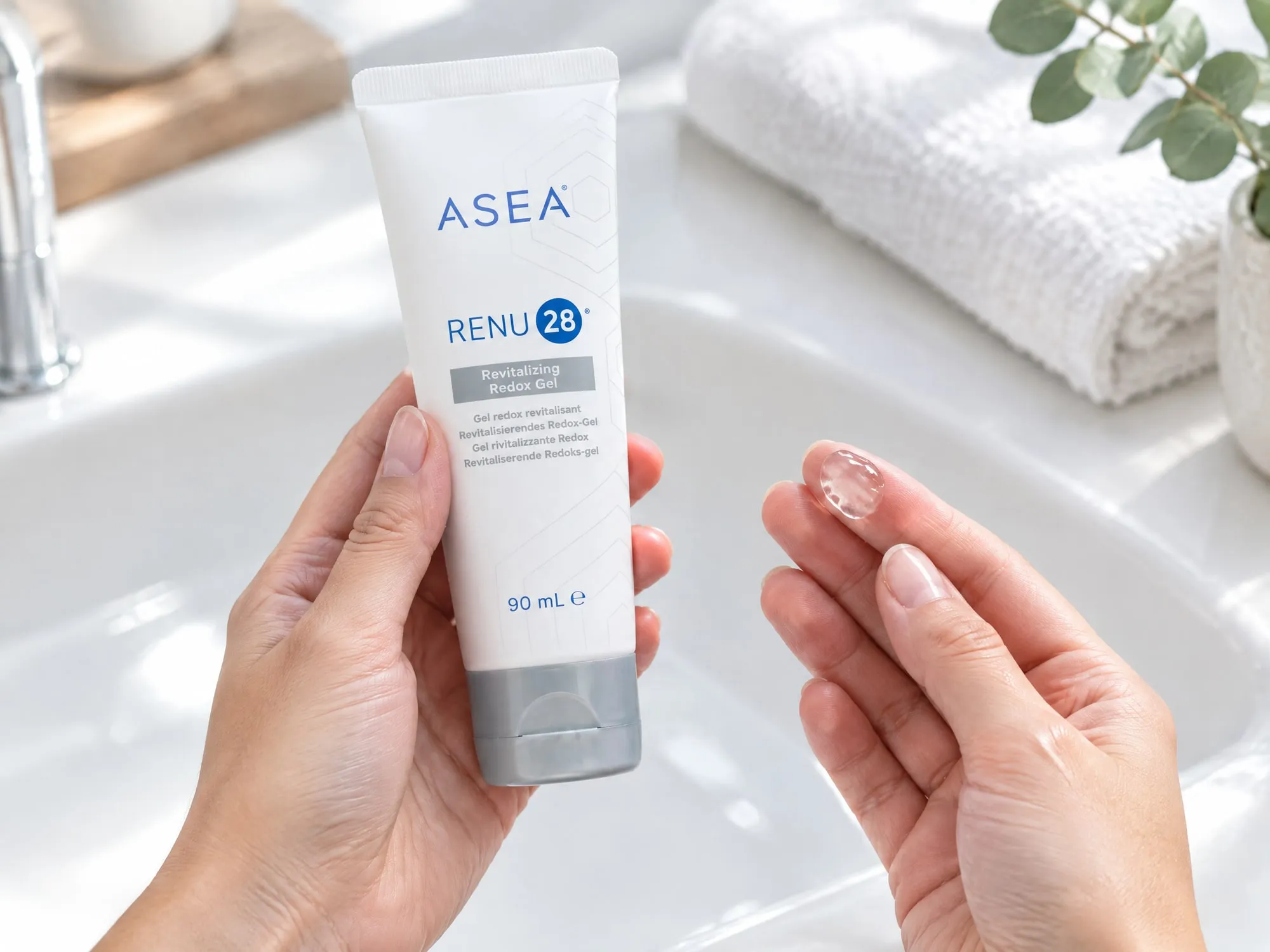
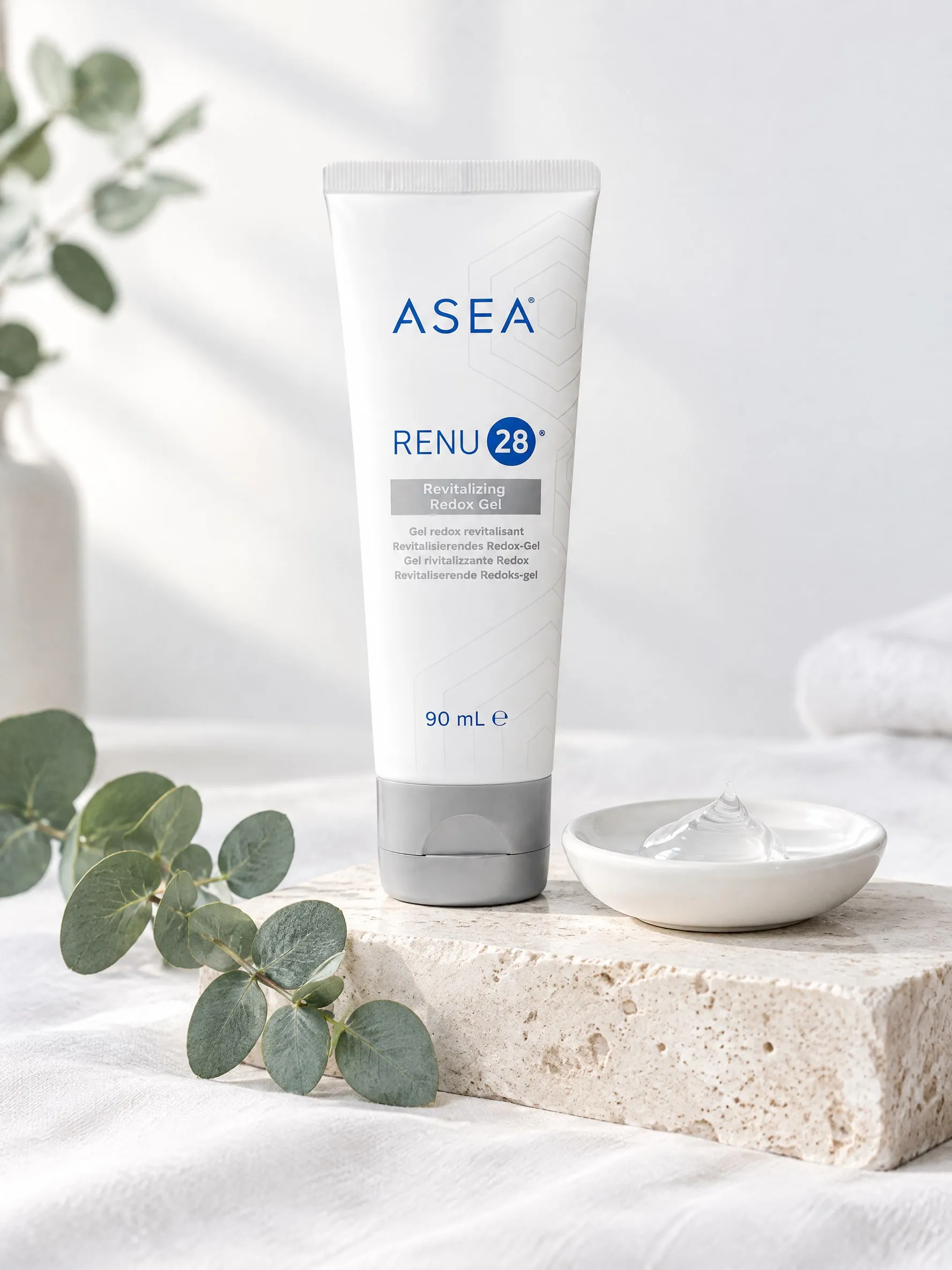
If you already use RENU 28, its directions are especially relevant here: shake it, apply after cleansing, and let it dry fully before other products. Use it only on unbroken skin, avoid the eyes, and stop if irritation occurs. The RENU 28 guide covers the full sequence. Adding a gel is not a way to fix pilling; this is simply the place for it if it’s already part of your routine.
Try one change at a time
Choose one optional step to leave out on a comparable morning. Keep the rest of the sequence and the product amounts consistent with their directions. If you change the cleanser, cream, sunscreen, and foundation together, you’ll have little idea which change made the difference.
For example, if your routine includes two cosmetic serums, you could leave out one and note what happens. If that makes no difference, return to your usual sequence before trying another change. Don’t move or stop prescribed skincare as part of this experiment; ask the clinician who recommended it.
You can use a simple note like this:
Today: Usual cleanser, moisturizer, sunscreen, and makeup. Left out the optional serum. Rolling began after foundation, not after sunscreen.
This isn’t a clinical test, and one morning doesn’t prove a formula is incompatible. It’s a practical way to avoid buying several replacements without a clear reason. You may also decide that an elaborate morning routine simply isn’t worth the extra steps.
What if sunscreen is the layer that pills?
Keep sunscreen in your routine and follow its label for quantity, timing, and reapplication. The American Academy of Dermatology’s routine guidance places sunscreen after other skincare and before makeup.
If the sunscreen visibly rolls away, don’t assume what remains gives even coverage. Gently remove the affected layers and reapply according to the sunscreen’s directions, with a simpler base. Don’t mix it with cream in your hand or thin it with water to change the texture.
On the next morning, focus your troubleshooting on optional layers underneath it. If you still can’t get a comfortable application, contact the sunscreen manufacturer about the products you’re pairing or choose another suitable sunscreen. Cutting the amount is not the useful compromise.
Keep the routine that fits your morning
A sensible endpoint is a sequence you can apply comfortably and repeat. You don’t have to make every bottle work in the same sitting, and pilling isn’t a reason to add a scrub or another serum to the shopping list.
For a shorter starting point, try the simple morning skincare routine. If the labels themselves are confusing, gel vs. serum vs. moisturizer explains why texture and purpose are different things.