Body Lotion vs. Body Cream: Which Fits Your Routine?
Lotion feels lighter; cream usually feels richer. Choose the texture you'll enjoy using, with a simple place for each product after your shower.
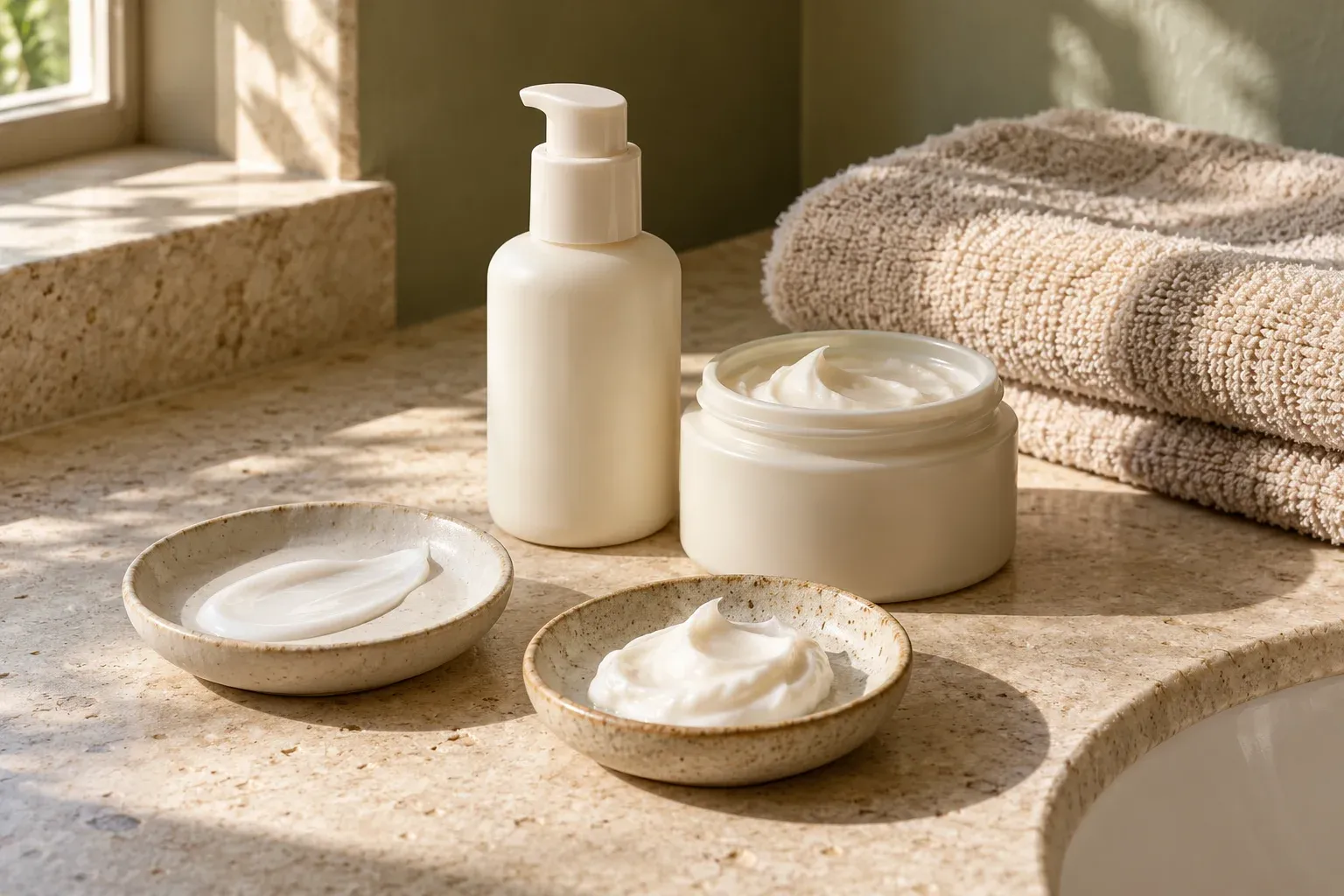
Body lotion is generally thinner and lighter than body cream; body cream usually feels richer and has a thicker consistency. Both can be body moisturizers. Choose between them by the formula, how your skin feels, and which texture fits your day, rather than assuming the thicker one is always better.
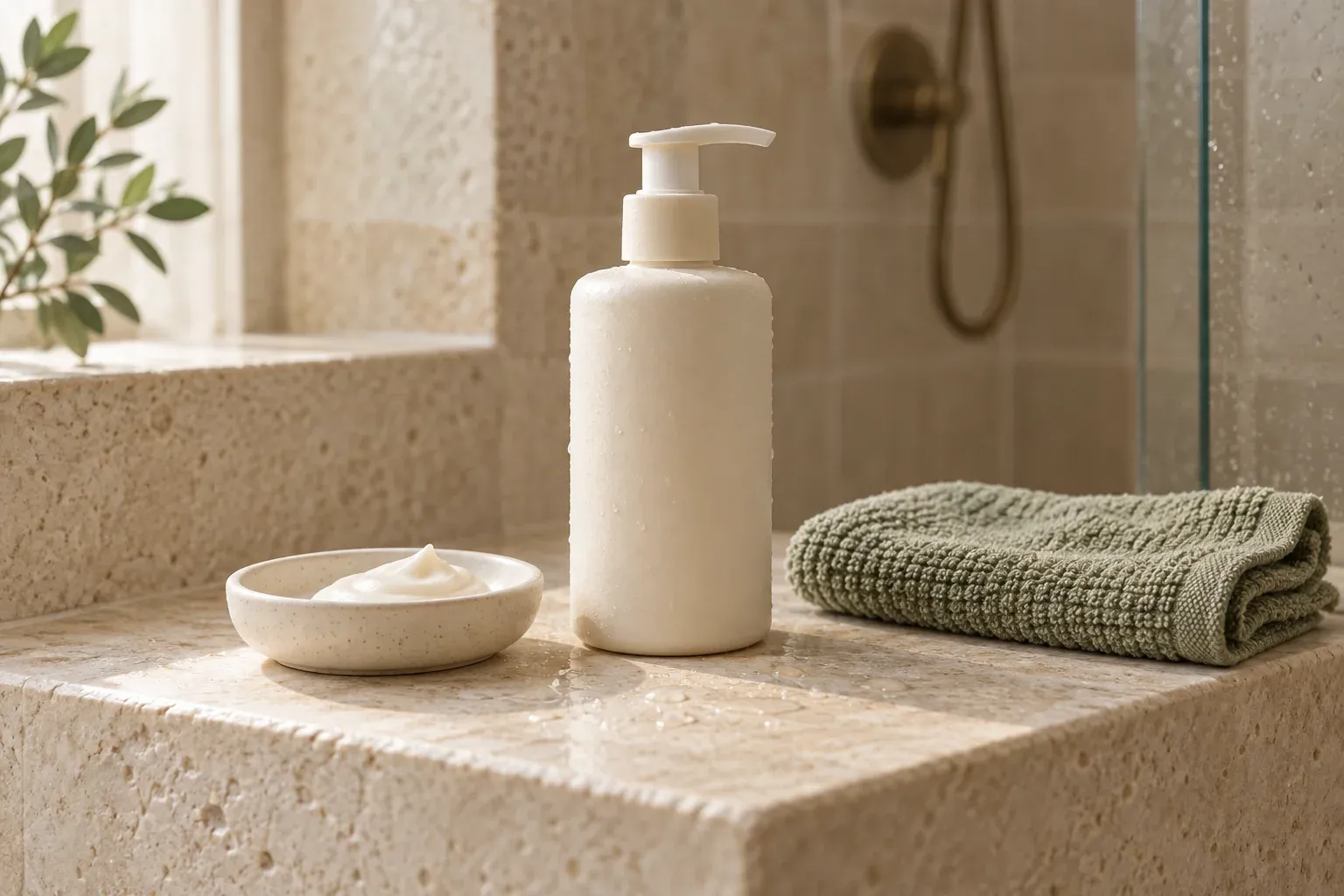
The difference becomes practical when you’re standing beside a towel, deciding what to put on before getting dressed. A light pump lotion and a rich cream can fill the same place in that routine. You don’t need both just because they come in different packaging.
What is the difference between body lotion and body cream?
The main everyday difference is texture. The American Academy of Dermatology’s moisturizer guide describes creams as thicker and higher in oil than lotions. That makes cream a useful texture to consider when your skin feels dry and a light lotion isn’t comfortable enough.
Names aren’t perfectly standardized, though. DermNet’s explanation of topical formulations notes that manufacturers can use different names for similar preparations. A product called a “body milk,” for example, still needs to be assessed by its label and feel.
| What you’re comparing | Body lotion | Body cream |
|---|---|---|
| Typical consistency | More fluid, often pourable or pumpable | Thicker, usually holds its shape |
| Typical feel | Lighter to spread | Richer on application |
| A reason to choose it | You prefer a light everyday texture | You prefer a more substantial finish |
| Common packaging | Pump bottle or squeeze bottle | Jar, tube, or pump |
| Place in the routine | Leave-on moisturizing step | The same leave-on moisturizing step |
These are useful starting points, not promises about every bottle. A pump doesn’t prove a product is a lotion, and a jar doesn’t tell you whether a formula will suit you.
When does a body lotion make sense?
A lotion is worth considering when you prefer a lighter texture and want something easy to spread over arms and legs. Think about the moment you’ll use it: before work, after a morning shower, or when you’re getting ready for bed.
If a rich finish makes you avoid moisturizing altogether, buying an even thicker cream probably won’t make the habit more appealing. Start with a formula you like using and follow its application directions. Notice how it feels once you’ve finished applying it, not only when you first dispense it.
Practical packaging can matter, too. A pump you can use with one hand may suit a busy morning; a tube might fit better on a small shelf. Neither changes what the formula contains, but those details can make the bottle easier to reach for.
When might you prefer body cream?
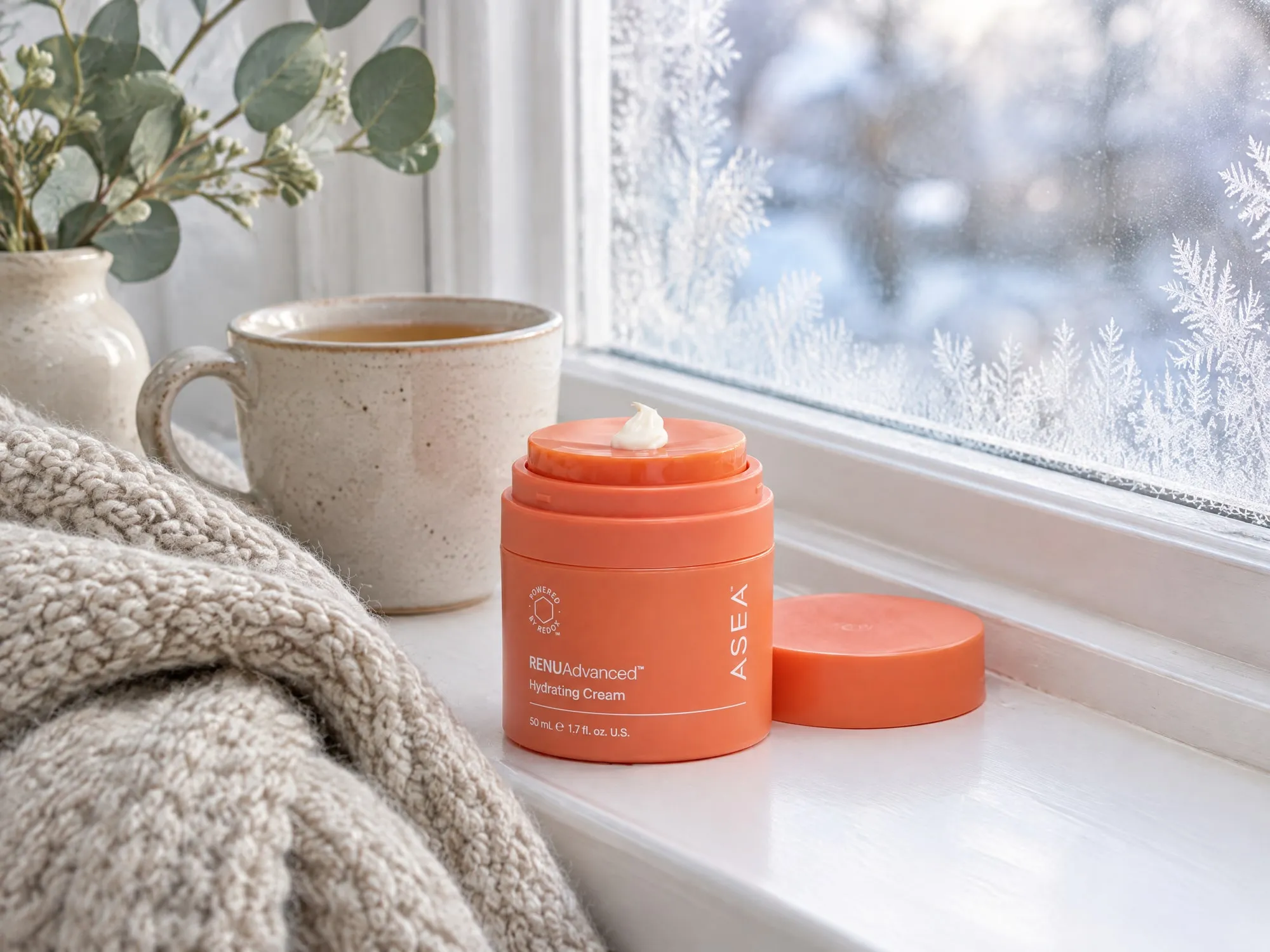
A cream may suit you if you enjoy a richer finish or your usual lotion leaves your skin feeling dry. You might prefer that texture on your legs in colder weather while continuing to use a lighter lotion elsewhere.
You don’t have to assign one product to your entire body or change every bottle with the season. Start with the area where your current routine feels less comfortable, then decide whether a different texture is useful. Our winter skincare routine covers the broader seasonal adjustments.
Don’t use thickness as a measure of strength. A very rich cream isn’t automatically a better purchase, and you shouldn’t keep applying a product that stings because you expect it to be more effective. Stop using anything that irritates you; persistent dryness or discomfort is a reason to ask a dermatologist rather than keep experimenting with more layers.
How to choose without buying both
Before adding another moisturizer to your basket, give your current one a fair look. Is the problem its texture, its fragrance, the packaging, or simply that it lives somewhere you forget to use it?
Use this short checklist:
- Check the intended use. Look for a leave-on body moisturizer, not a cleanser or a product intended for a different area.
- Read the directions and ingredients. Avoid known ingredient allergies, and don’t assume two products with similar names share a formula.
- Choose for the finish you prefer. A lighter lotion or richer cream can both be reasonable choices.
- Compare usable amounts. Look at the amount in the container and the application directions, rather than assuming a taller bottle is better value.
- Change one thing at a time. Keeping the rest of your routine familiar makes a new texture easier to assess.
If the ingredient list is the confusing part, start with our moisturizer ingredient guide. You don’t need to memorize every ingredient to make a more considered choice.
Do you apply body lotion and body cream together?
Usually, choose one for a given area. They fill the same moisturizing step, so layering both is not a required routine. Keeping two textures available is different from needing two layers every time you shower.
For an uncomplicated routine, wash gently, rinse, and apply your moisturizer according to its label. In a moisturizer-only routine, the AAD recommends applying moisturizer while skin is still damp. Products with their own preparation or drying directions can change that sequence.
That distinction matters if you also use a separate gel. “Gel,” “lotion,” and “cream” describe textures, but the instructions tell you whether they are alternatives or different steps.
Where does RENU 28 fit with body lotion or cream?
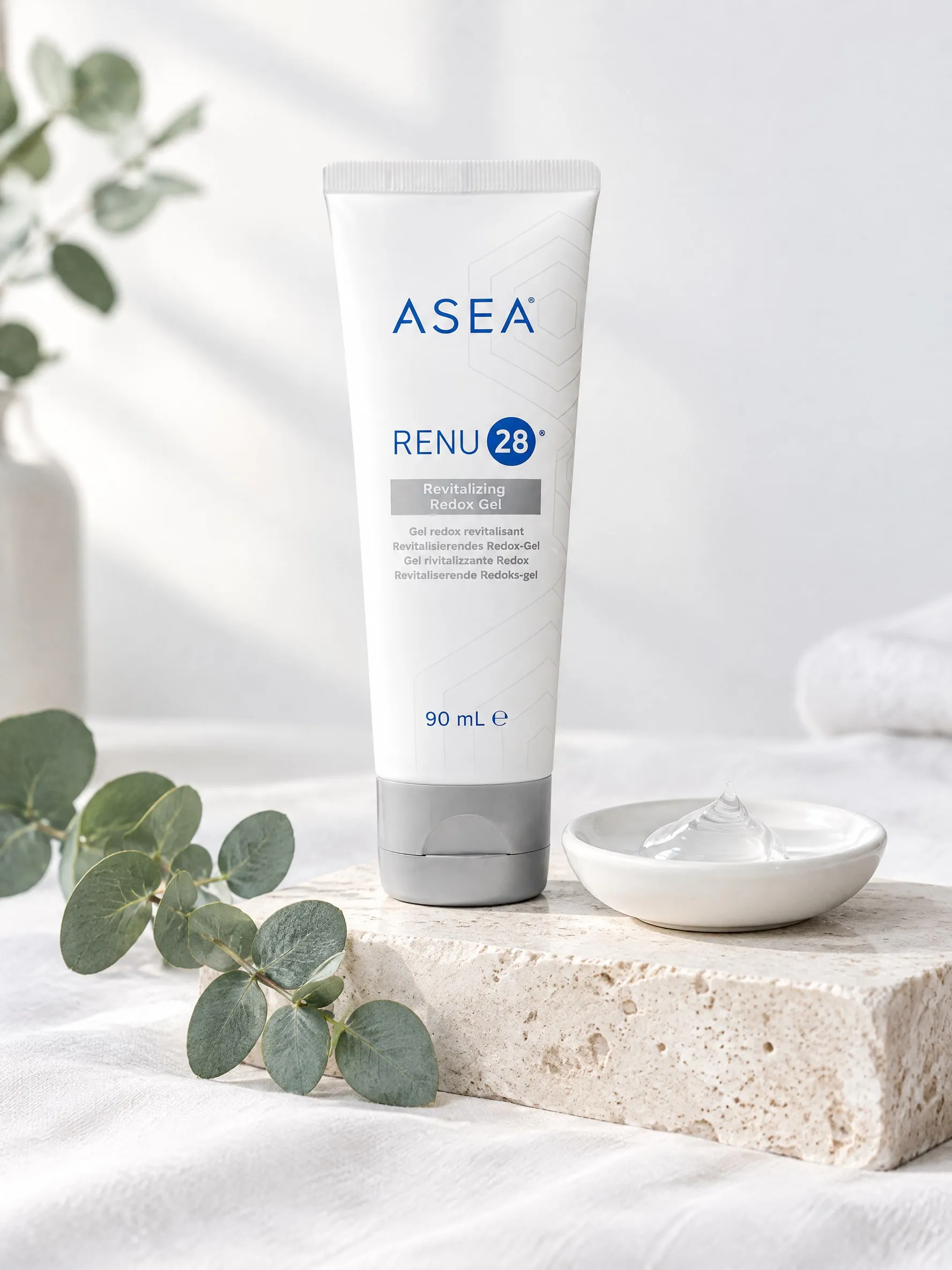
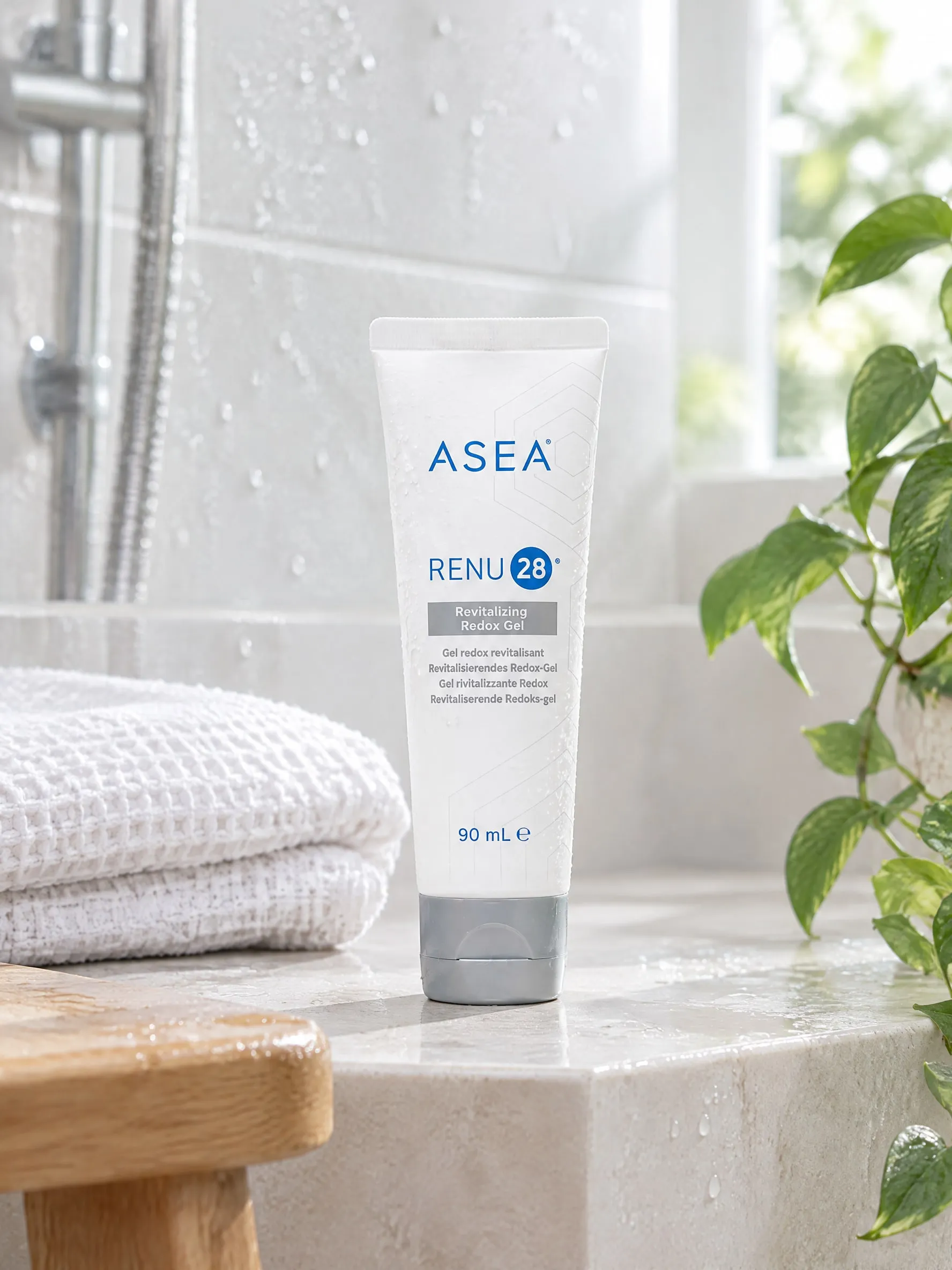
RENU 28 is an optional face-and-body gel that goes before your body moisturizer. It doesn’t replace the lotion or cream you’ve chosen.
For body use, cleanse and pat skin dry, shake the tube, and apply generously to the area you’re using it on. Let the gel dry fully before applying other body products. Use only on unbroken skin, avoid the eyes, and stop if irritation occurs. Follow the directions on your own packaging.
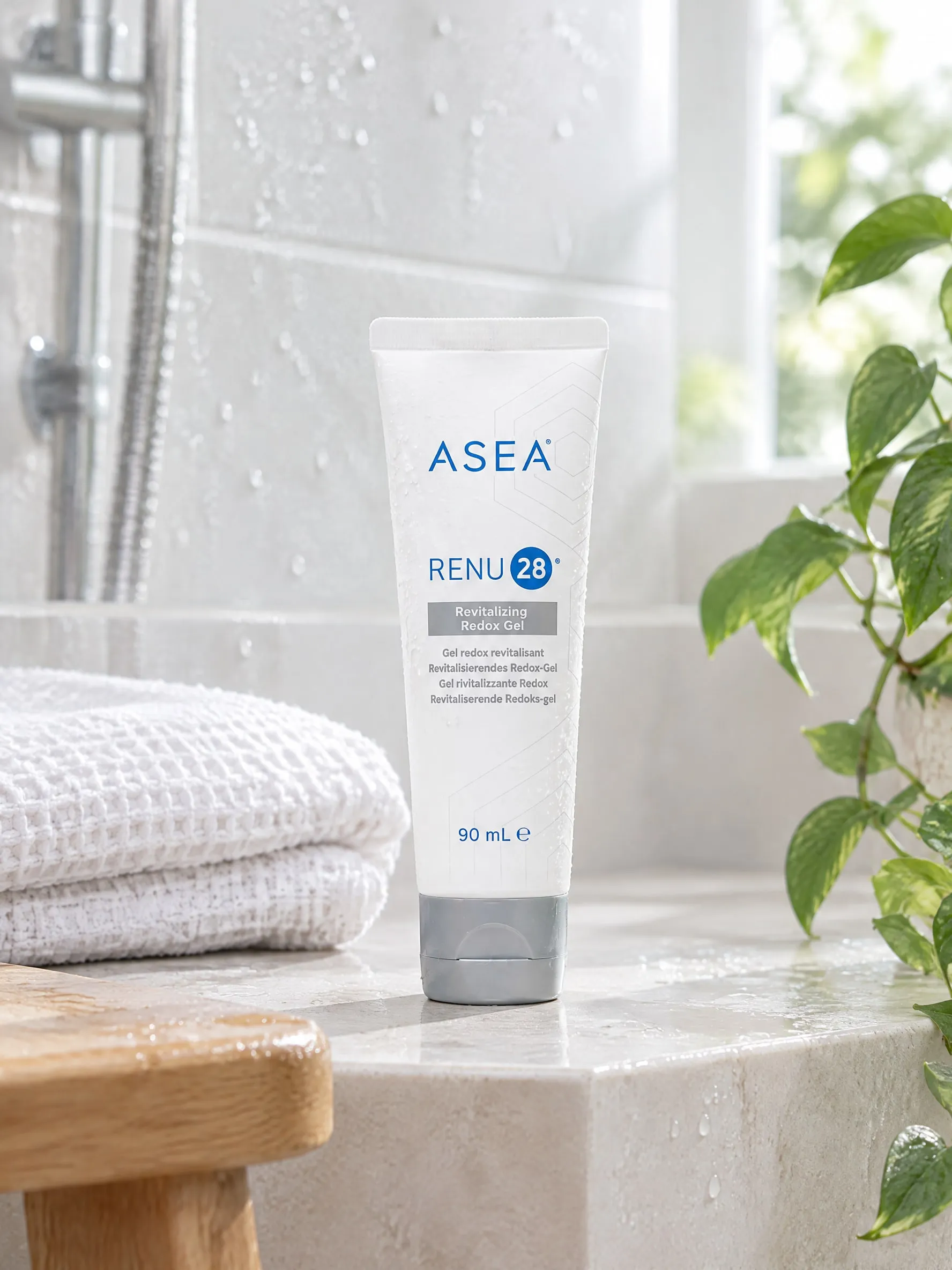
If you enjoy a separate gel step, this gives it a clear place: cleanse, pat dry, gel, let dry, then moisturize. The choice between lotion and cream stays yours. You don’t need to switch to a heavier moisturizer simply because you’ve added the gel.
Explore the RENU 28 product guide if that format appeals to you. For the full sequence from shower to getting dressed, follow the after-shower body-care routine.
Keep the bottle you use most within reach, and let your routine stay small enough to enjoy. The right texture is one that suits your skin and earns a regular place beside your towel.