Can You Use the Same Moisturizer Morning and Night?
One moisturizer can fit both ends of the day. Here's what to check before buying a separate night cream, and when a second texture might be useful.
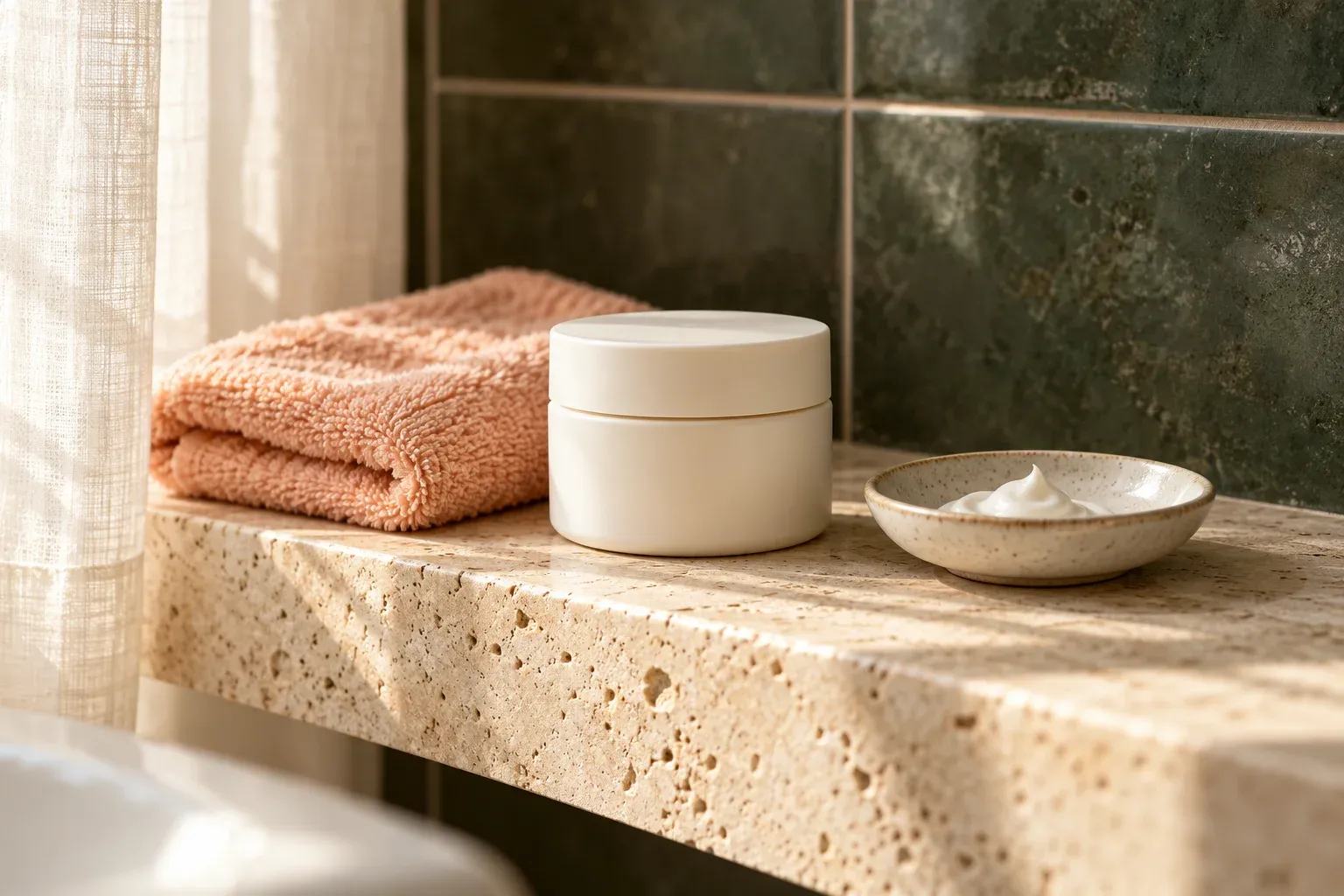
You can often use the same moisturizer morning and night, provided its directions allow it and the formula feels comfortable at both times. You don’t automatically need a separate night cream. Check the product’s instructions, how it works with your other steps, and whether you actually want a different texture in the evening.
One familiar jar can make the bathroom shelf simpler. The aim is to find a moisturizing step that fits your day, rather than buying two products because one says “day” and the other says “night.”
What matters more than the time on the label?
The formula and its directions matter more than the name alone. Some moisturizers are intended for use at either end of the day; others have specific instructions because of their ingredients or purpose.
For a concrete example, CeraVe’s Moisturizing Cream directions explicitly allow day or night use. That doesn’t make every moisturizer interchangeable, but it shows why a second jar isn’t a universal requirement.
The American Academy of Dermatology’s guidance on affordable skincare also starts with a simple approach: cleanse, moisturize, and protect from the sun. Keeping the number of products manageable is a useful starting point when your shelf is growing faster than your routine.
Before deciding whether one cream can cover both times, check three things:
- Directions: Is the product intended for morning, evening, or either? Does it have warnings about frequency or other products?
- Comfort: Do you like the finish in daylight as well as at bedtime?
- Other steps: Does it sit comfortably with the sunscreen and makeup you use, and with any prescribed skincare?
Follow a clinician’s directions for prescribed products. A general recommendation to simplify your shelf shouldn’t change a routine you’ve been given for a skin condition.
When one moisturizer is enough
One product is a reasonable choice when it suits your skin, its label allows both uses, and you enjoy the texture in each routine. You can keep it in one accessible place and use it according to its directions without switching jars.
This can be especially convenient if you prefer a small routine, share a bathroom, or pack the same products for weekends away. You have one moisturizing formula to keep track of and one container to add to your travel skincare packing list.
The amount you use will still affect how quickly you finish it. A jar used morning and evening may run out sooner than one used only at night, so compare your own use rather than assuming one jar automatically lasts twice as long or costs less overall.
There’s also no need to replace a comfortable moisturizer just because you begin using a serum. They are different steps. Start with the serum’s directions and keep the moisturizing part familiar while you decide whether you like the addition.
When might two moisturizers be useful?
Two products can make sense when they solve a practical difference between your routines. Perhaps you like a lighter finish before makeup but enjoy a richer texture at night. Or one product’s directions limit it to a particular time.
The AAD’s guide to choosing a moisturizer explains that creams tend to be thicker than lotions or gels and emphasizes choosing for your skin rather than expecting one texture to suit everyone.
| What you notice | What to consider |
|---|---|
| One moisturizer feels comfortable at both times | Keep it if its directions allow both uses |
| The finish feels too rich under daytime products | Check the directed amount and consider a lighter texture if needed |
| You prefer a richer feel in the evening | A separate evening moisturizer may be useful, rather than compulsory |
| The label specifies a particular time or frequency | Follow that instruction instead of treating it as an all-purpose cream |
| Your skin stings or stays uncomfortable | Stop using an irritating product and seek advice about persistent symptoms |
Texture preferences can change with the season, too. You can reassess when the weather changes without assuming every new season needs an entirely new routine. Our winter skincare article offers a starting point if your familiar products feel less comfortable in colder weather.
How to use one moisturizer in two routines
Keep the moisturizer consistent and let the surrounding steps reflect what you’re doing that day. Morning and evening don’t need to be identical for the same cream to fit both.
In the morning
Cleanse as appropriate for your routine, then apply any optional products according to their instructions. Follow with your moisturizer in the directed amount. Give the layers time to settle before moving on.
Daytime sun protection still matters even if the moisturizer doesn’t change. A cream without SPF isn’t sunscreen. Follow your sunscreen’s directions and include appropriate protection before outdoor time; the simple morning routine places those steps together.
If your layers roll into little flakes, don’t immediately assume you need a different “day cream.” Amounts, application, and the combination of products can all be worth reviewing. Work through the skincare pilling guide before adding another jar to solve it.
In the evening
Remove makeup and cleanse, then apply the leave-on products you normally use in their directed order. Finish with your moisturizer. You don’t automatically need a thicker layer just because you’re going to bed.
Keep the label’s amount as your starting point. If you want a richer feel, assess whether a different texture would suit you rather than repeatedly adding more of a product you don’t enjoy. The evening skincare routine can help you keep that sequence short and manageable.
RENU Advanced: one cream at both ends of the day
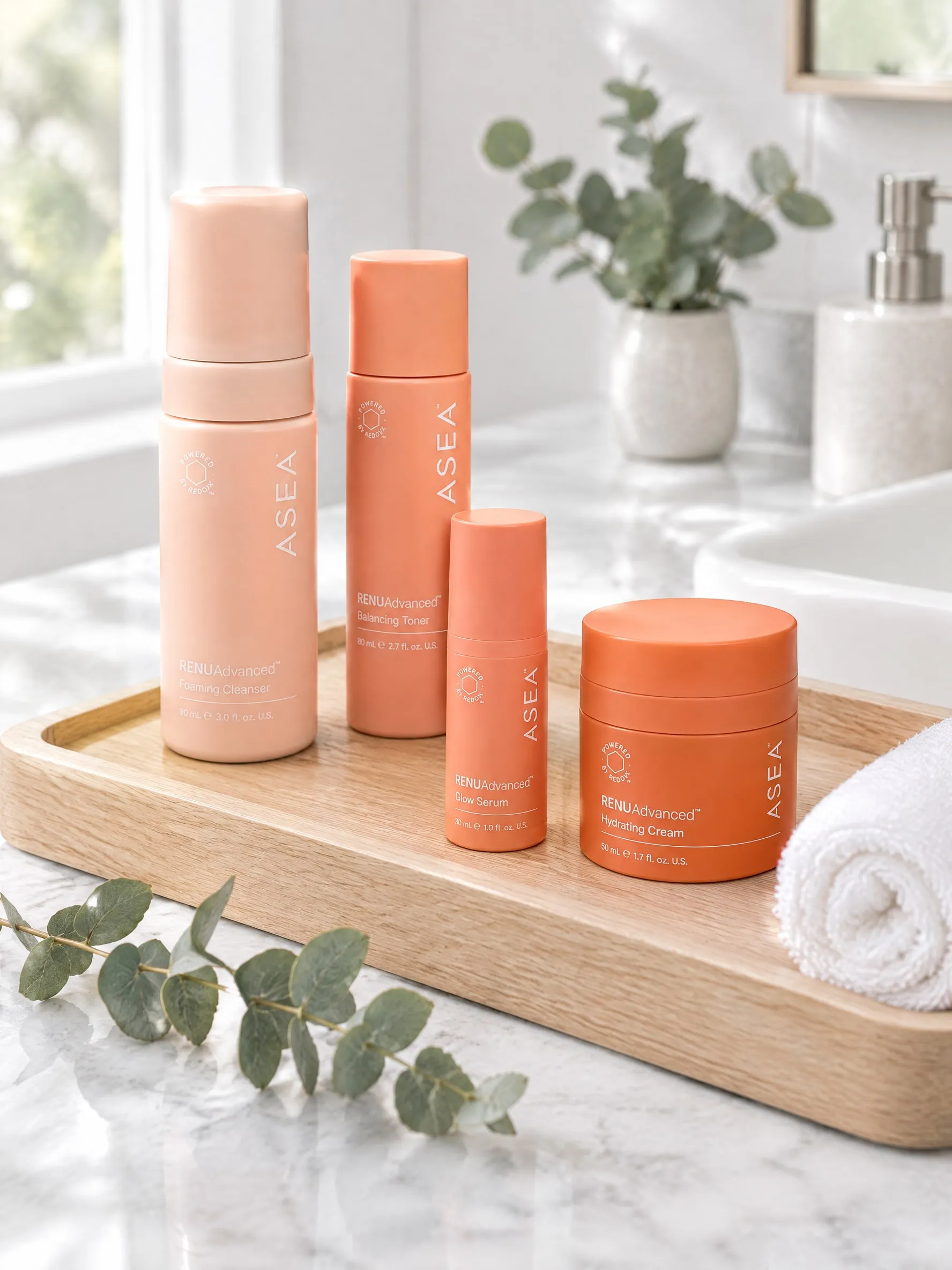
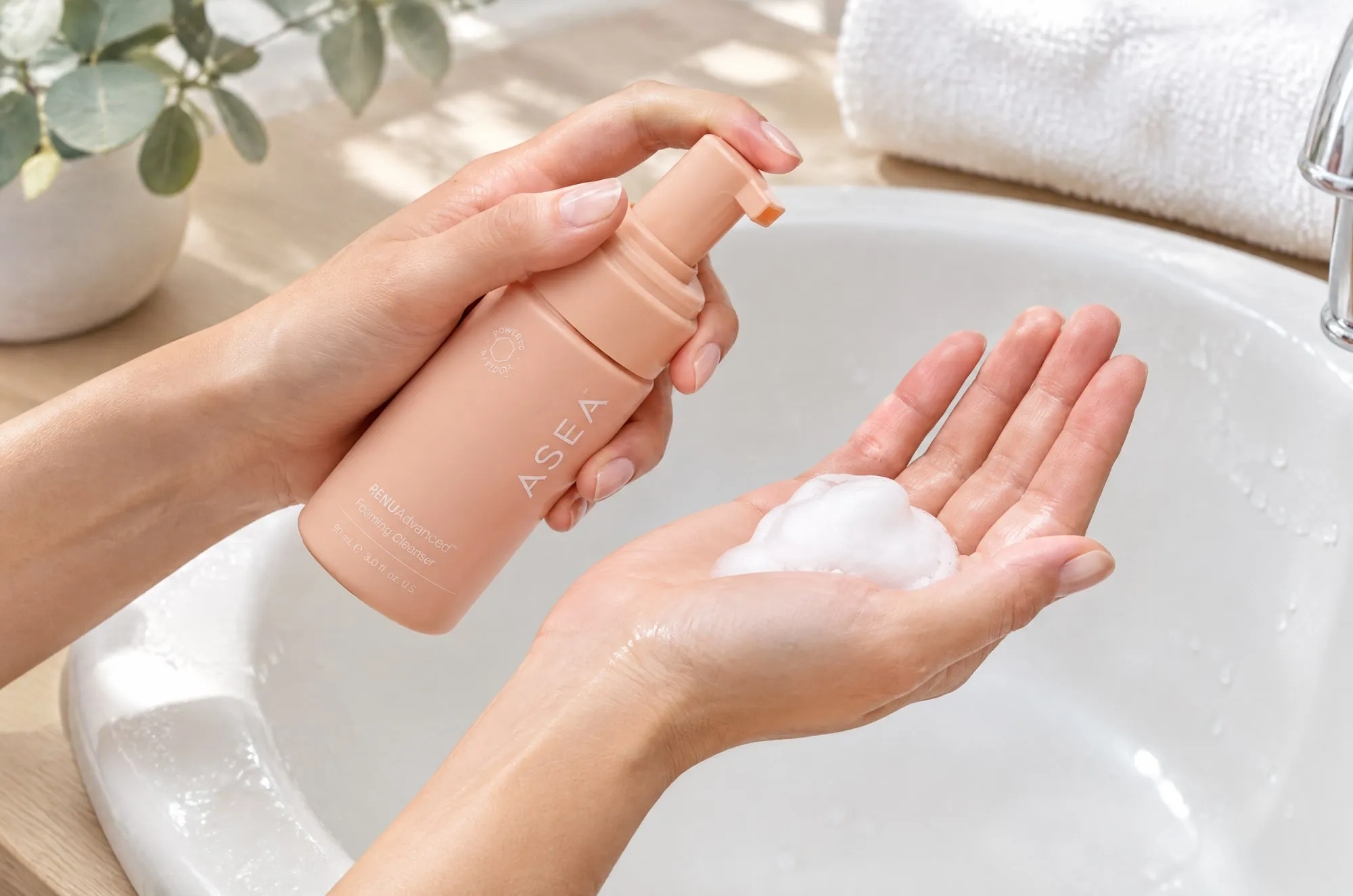
RENU Advanced Hydrating Cream is the finishing step in a facial system used morning and evening. The four-step sequence is Foaming Cleanser, Balancing Toner, Glow Serum, then Hydrating Cream.
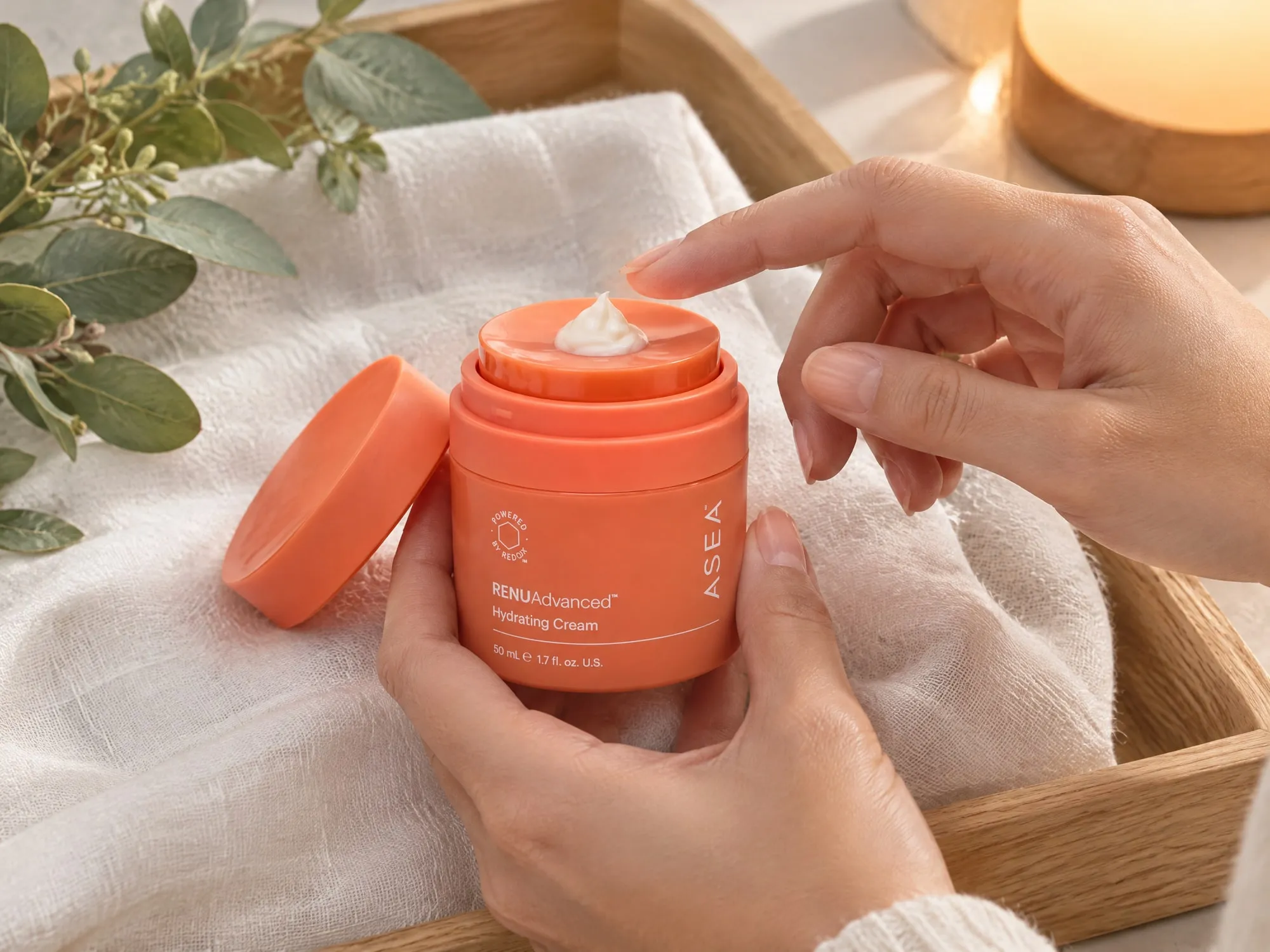
ASEA’s official directions specify a pea-size amount of Hydrating Cream, applied gently to the face, neck, and décolletage with an upward, outward motion. Check the packaging supplied in your market for current directions. It isn’t a sunscreen, so daytime protection remains a separate step.
If you’re drawn to a coordinated routine, this is a practical reason to explore RENU Advanced: the same cream has a clear place in both routines. You don’t have to choose a separate night moisturizer just to follow the system.
That doesn’t mean everyone needs the whole set. Toner and serum are optional in a general skincare routine; the useful purchase depends on the steps you want. If the cream is the only thing missing from your shelf, compare a skincare set with individual products before choosing.
Decide before adding another jar
Read your current moisturizer’s directions and pay attention to its finish in each routine. If it suits both, keep using it. If you can name a specific reason for wanting something different at night, that gives you a more useful shopping brief than “I should own a night cream.”
A routine can stay familiar without staying fixed forever. Keep the products you enjoy, change the part that no longer fits, and leave room on the shelf for the things you actually reach for.